
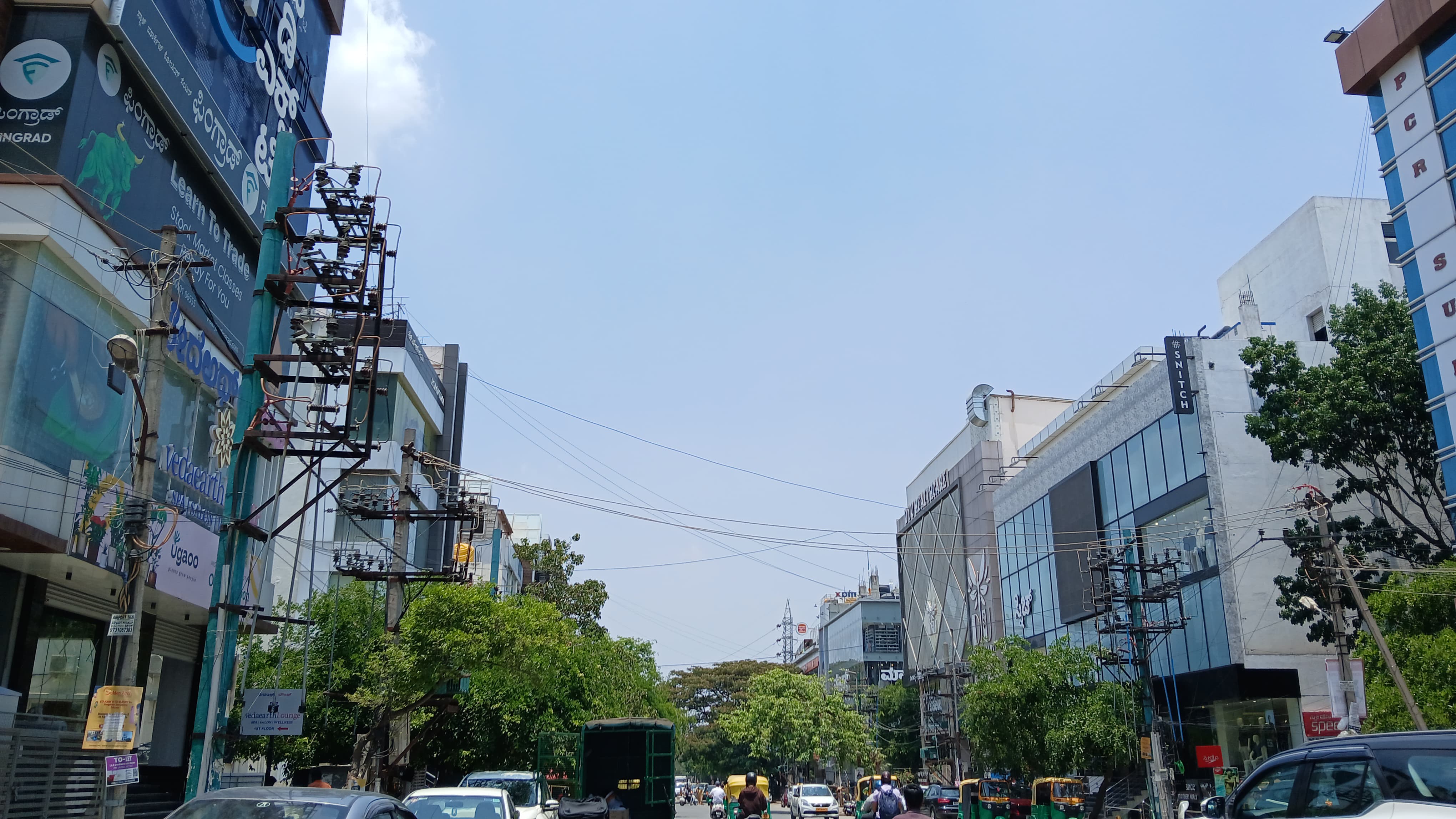
Autorickshaws have long been a popular mode of transportation in many cities, especially in countries like India where their affordability and compact design make them ideal for navigating congested urban areas.
However, despite their utility, autorickshaws come with a host of challenges that demand reevaluation in today’s world.
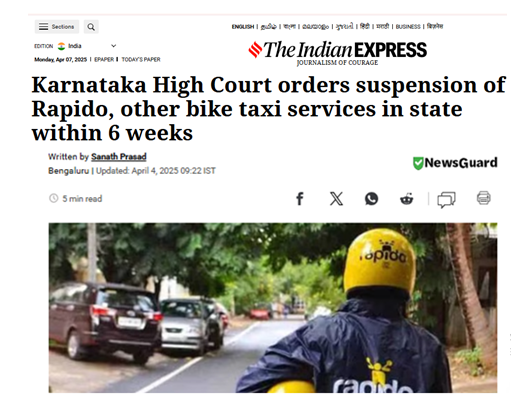
The rise of eBike taxis presents an innovative solution that could address many of these challenges while fostering a cleaner, more sustainable, and efficient urban transportation system.
Why most of the Autorickshaws should be replaced with eBike Taxis?

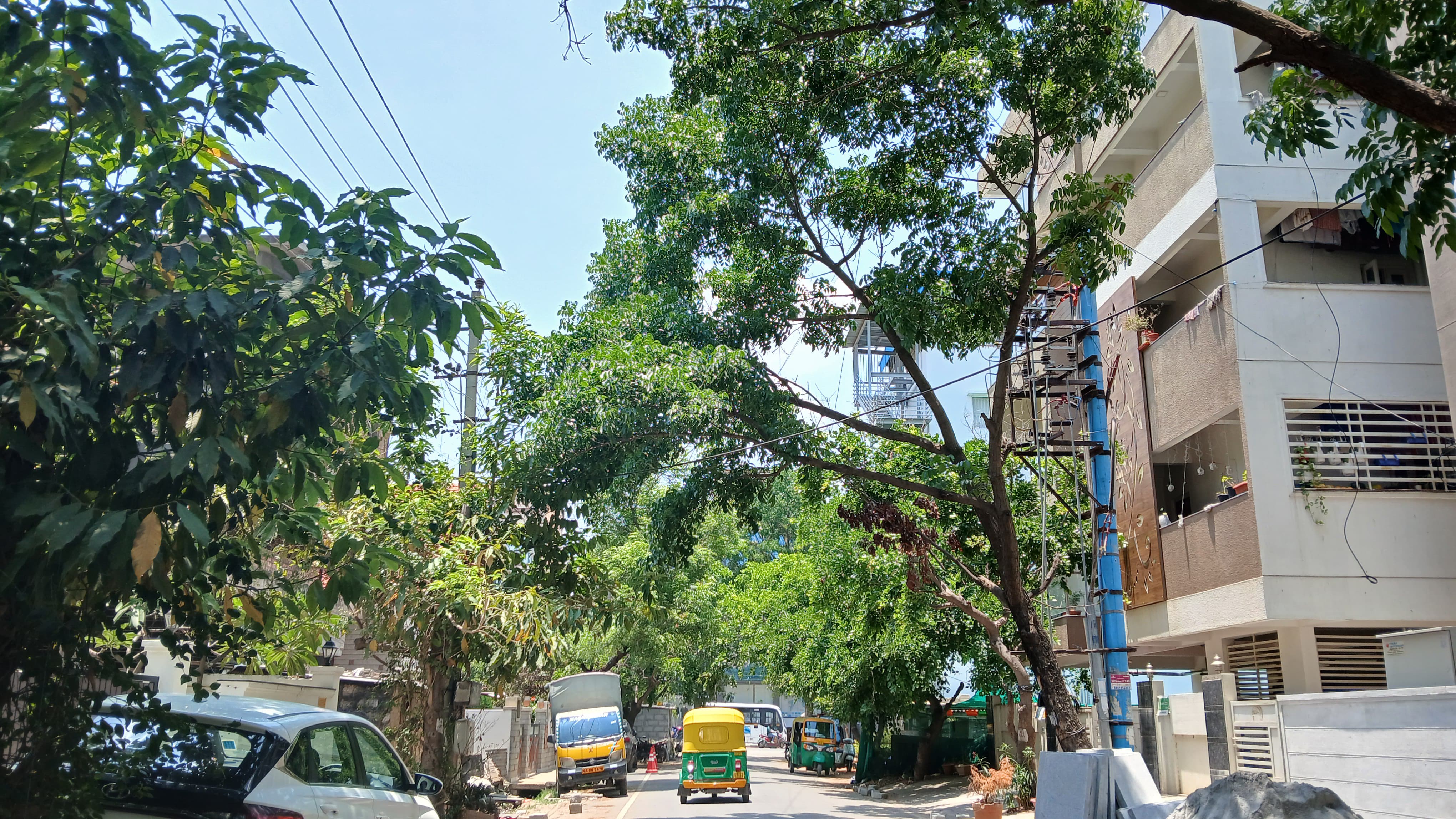
- Environmental Concerns One of the most significant drawbacks of autorickshaws is their environmental impact. Cities are already grappling with poor air quality, the emissions from autorickshaws only add to the problem…
In contrast, eBike taxis are powered by electricity, a cleaner and more sustainable energy source. Adopting eBike taxis could drastically reduce greenhouse gas emissions, helping cities combat climate change and improve air quality.
- Dependence on Crude Oil & Dollar: Autorickshaws that run on petrol or diesel contribute to the demand for fossil fuels, most of which are imported in many countries. This reliance on imported oil leads to increased expenditure on foreign currency (like the U.S. dollar), straining the national economy. The higher the fuel consumption, the greater the dependency on these imports, creating a cycle that ties local transportation needs to fluctuating global oil prices.
Since these vehicles are popular all over India they waste a huge amount of India’s foreign exchange. Transitioning to alternative energy solutions like electric vehicles could help break this dependency.
- Noise Pollution Autorickshaws are also notorious for their noisy engines and are thus also called Tuk-Tuks. The noise of these tuk-tuks add to urban noise pollution. In densely populated areas, the constant hum of autorickshaw engines can be overwhelming.
eBikes, on the other hand, operate silently, creating a more peaceful urban environment. Reducing noise pollution not only improves the quality of life for city dwellers but also promotes mental well-being.
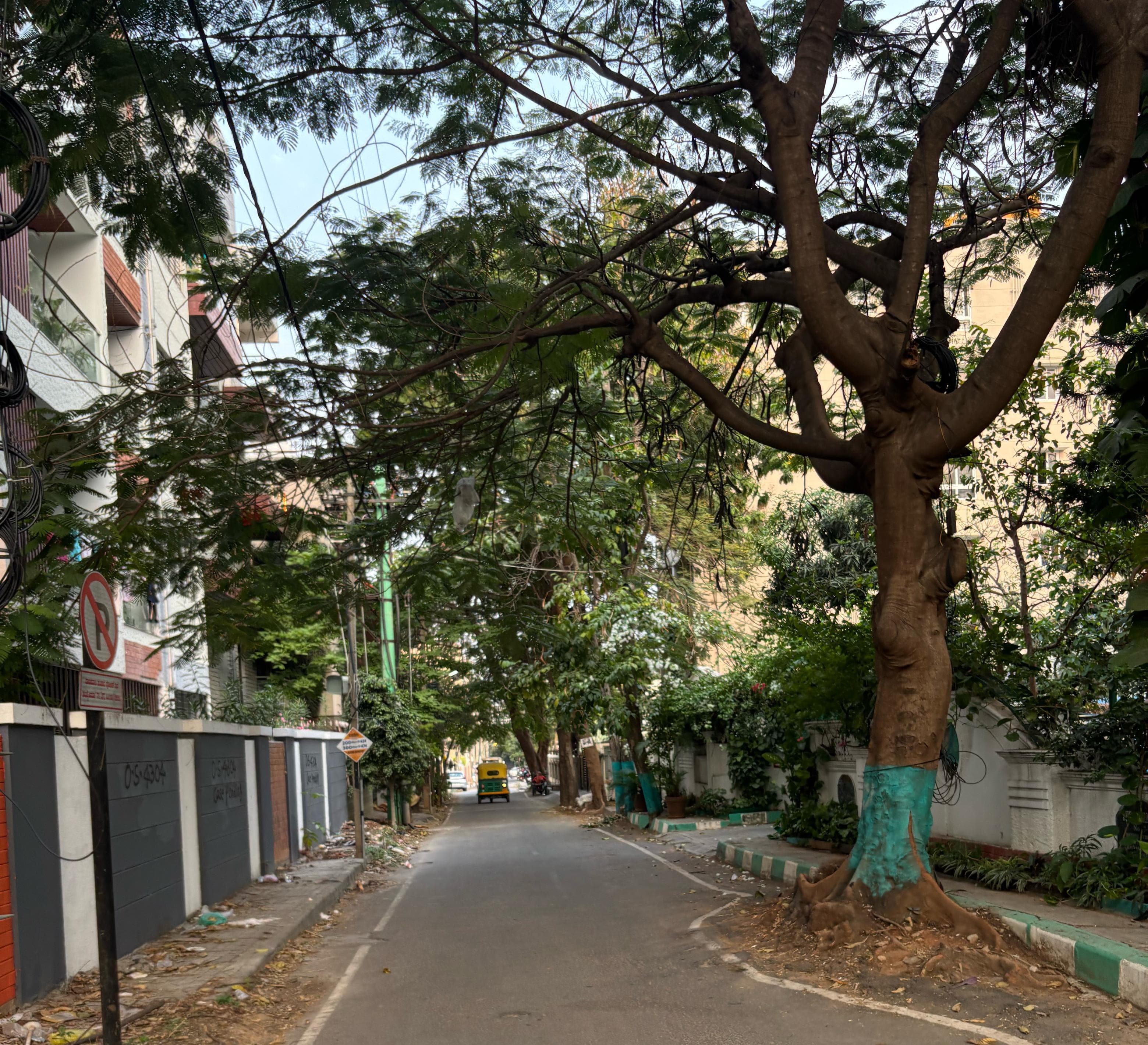
- Efficiency and Modernization The design of autorickshaws, while practical, lacks the sleek efficiency that modern transportation demands. eBike taxis are equipped with advanced technology, including GPS tracking, digital payment systems, and app-based booking platforms.
These features, in ebikes, enhances the rider experience, making transportation more convenient, reliable, and user-friendly. The modernization of urban transportation through eBike taxis aligns with the growing trend of smart cities and tech-driven solutions.
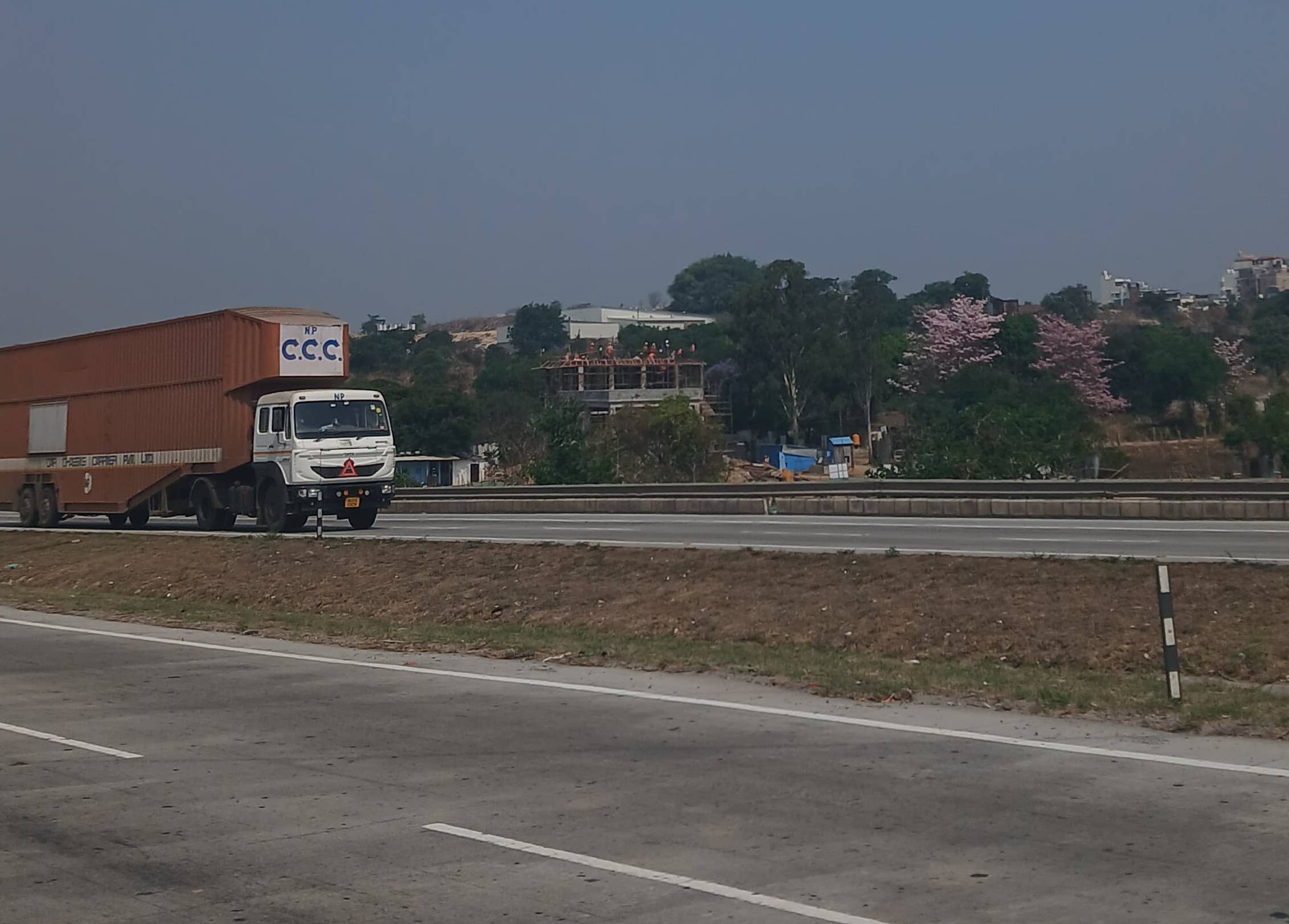
- Economic Benefits Switching to eBike taxis could also have economic advantages. Electric vehicles typically have lower operating costs compared to fuel-powered vehicles.
For drivers, this means reduced expenses on fuel and maintenance, potentially increasing their earnings.
Furthermore, governments and organizations investing in eBike taxis can benefit from subsidies and incentives for promoting sustainable transportation, creating a win-win scenario for all stakeholders.
- Urban Mobility and Accessibility eBike taxis offer improved urban mobility, especially in congested areas where space is limited. Their compact design allows them to navigate tight spaces and reach destinations more efficiently than autorickshaws.
Additionally, eBike taxis can be designed to accommodate diverse needs, such as providing accessibility features for differently-abled individuals, thereby ensuring inclusivity in urban transportation.
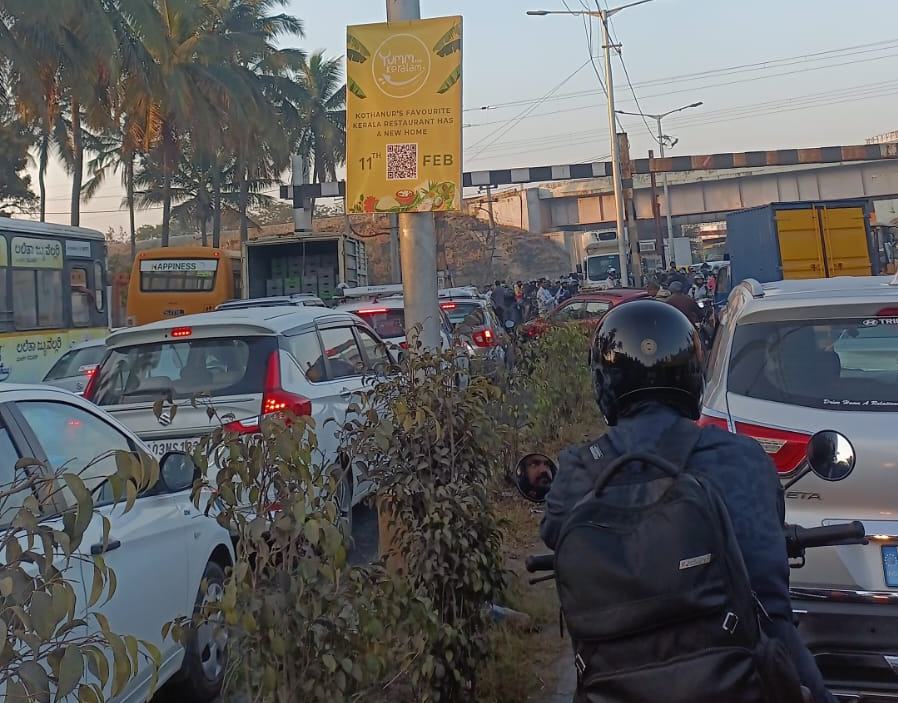
Switching from traditional autorickshaws to e-bike taxis can offer significant benefits for drivers:
- Cost Savings: E-bike taxis are powered by electricity, which is cheaper than petrol, diesel, or even CNG. This reduces operational costs and increases profit margins.
- Ease of Maintenance: E-bikes have simpler mechanisms compared to autorickshaws, leading to lower maintenance costs and less downtime.
- Environmental Impact: E-bikes produce zero emissions, contributing to cleaner air and a healthier environment. This aligns with growing government incentives for eco-friendly transportation.
- Flexibility: E-bike taxis are lightweight and can navigate congested urban areas more easily, offering faster and more efficient service.
- Market Demand: With the rise of app-based ride-sharing platforms, e-bike taxis are becoming increasingly popular among passengers looking for affordable and quick transportation.
Benefits for the Governement:
- Digital Transactions: E-bike taxi services often operate through app-based platforms, which encourage digital payments. This reduces cash transactions, making it harder to generate unaccounted income (black money).
- GST Compliance: App-based platforms are generally GST-registered, ensuring that a portion of the revenue contributes to GST collection. Drivers and operators would also need to comply with tax regulations.
- Transparency: The digital nature of these services creates a transparent system where earnings are recorded, reducing opportunities for tax evasion.
The government must encourage the autorickshaw drivers to sell their end-of-lifecycle autorickshaws and help them invest in e-bike taxis, drivers can embrace a sustainable and profitable future.
Govt must amend the Motor Vehicle Act so that it will allow the youth of the country to register their bikes with any Taxi App and start earning for their family in their free time or college holidays. It will provide a huge boost for the economy.
This would be a HUGE HELP because the dependence on Artificial Intelligence is growing and need for human jobs is reducing… more so in the future… especially 10 yrs from now.
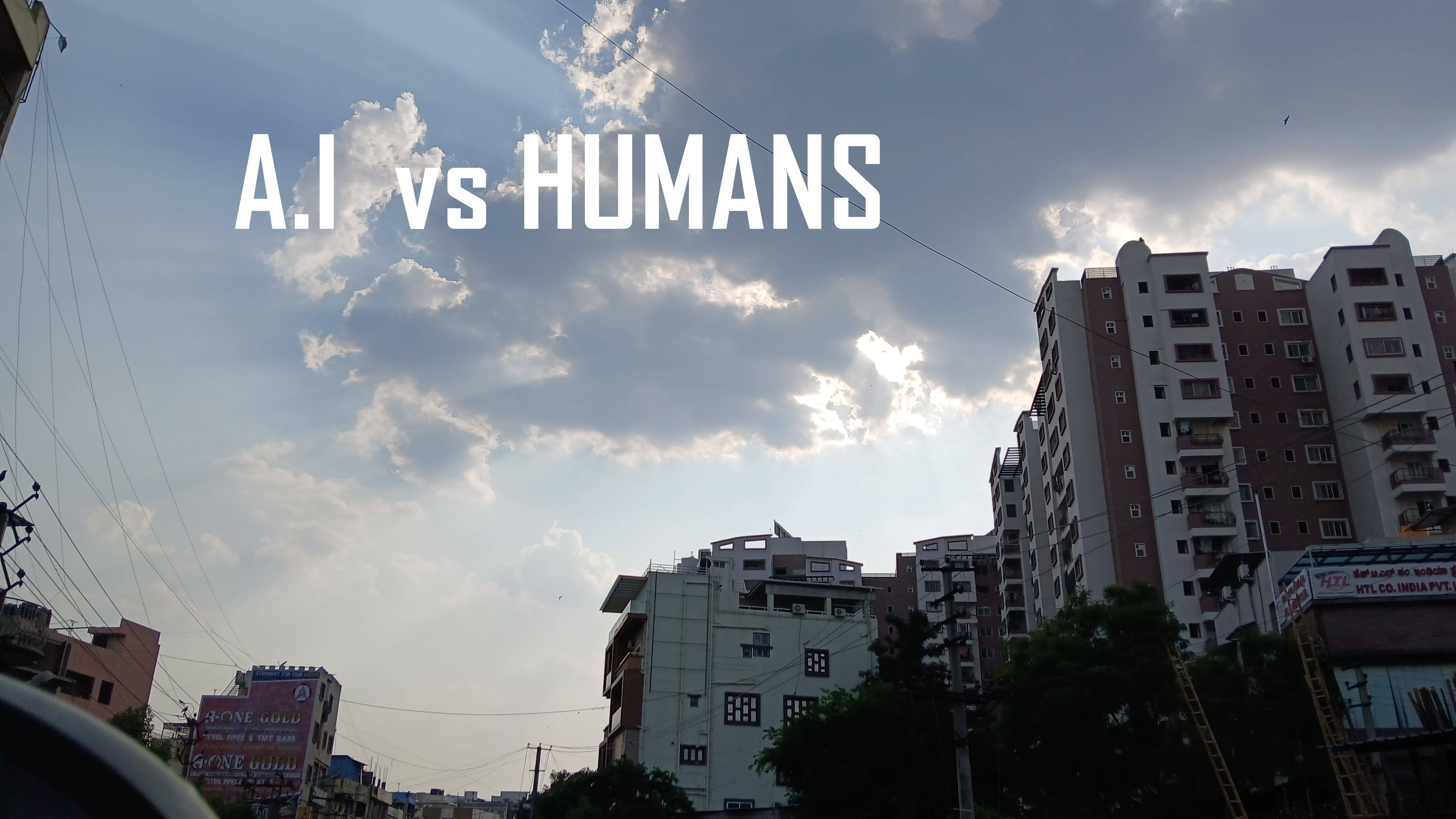
Since India has the biggest youth population of the world, India will also SUFFER THE MOST if the youth stay unemployed.
Conclusion The replacement of autorickshaws with eBike-Taxis represents a much needed step forward in addressing the environmental, social, and economic challenges of urban transportation.
By embracing cleaner, quieter, and more efficient alternatives, cities can create a transportation system that is sustainable, modern, and adaptable to the needs of its residents.
While the transition may require significant effort and investment, the long-term benefits far outweigh the challenges.
eBike-taxis are not just a transportation option—they are a vision for a smarter and greener future.
 PlugInCaroo... Karo plugin... abhi!... save the environment!!!