
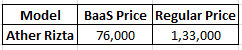
India has ALWAYS been very price sensitive market. So anything that can help reduce the price will attract more sales. BaaS reduces the initial cost of ownership by more than 40%. Any EV manufacturer that does not provide BaaS model of ownership will have to suffer sales fall to those who provide BaaS Ownership Model.
What is BaaS?
Battery-as-a-Service (BaaS) is an electric vehicle (EV) ownership model where a customer buys the vehicle but subscribes to a battery service… so in effect he doesnt have to pay the price of the battery at the time of purchasing the vehicle.
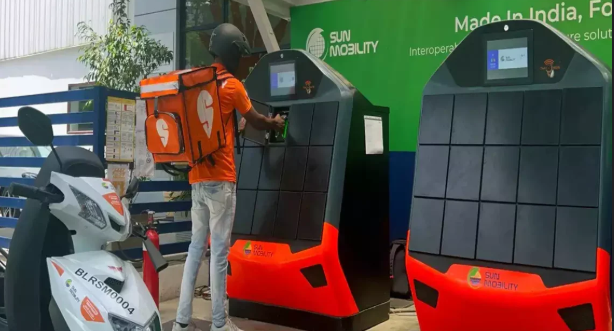
BaaS model is gaining…
traction across sectors like electric vehicles (EVs), renewable energy, and industrial applications, offering flexibility, sustainability, and cost-efficiency.
Its a win-win situation because the initial cost-burden is reduce… and the company gets almost 3x more payment than the cost of a battery. eg: if the vehicle travels over 200,000kms (which most of the vehicle will do over their lifetime) they will have to pay Rs 200,000/-… over the price of the vehicle.
But the RISK of getting hit by a damaged-Battery is completely avoided.

BaaS in Electric Mobility
Battery as a Service (BaaS) addresses 3 key barriers to ElectricVehicle adoption:
- High upfront costs: Batteries account for 30–50% of an EV’s price. BaaS reduces this by allowing users to lease batteries separately.
- Battery degradation: Users avoid long-term performance concerns, as providers manage battery health and replacements.
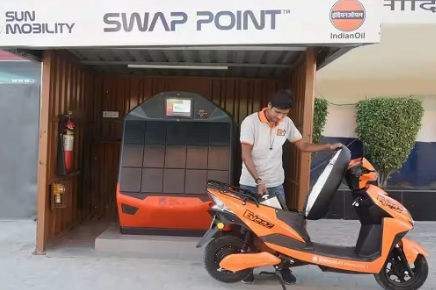
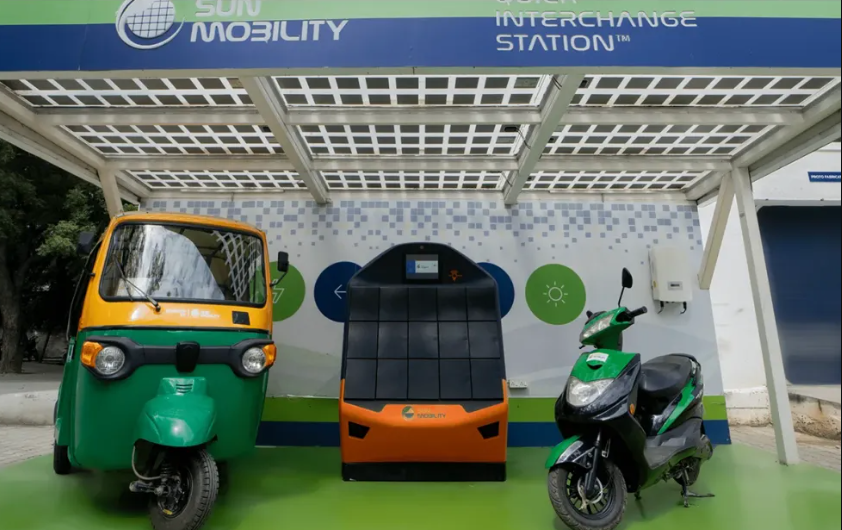
- Battery swapping: BaaS enables fast refueling through battery-swapping stations, minimizing downtime and enhancing convenience.
This model also supports circular economy principles by promoting reuse, refurbishment, and second-life applications for batteries.
BaaS in Energy Storage
Beyond mobility, BaaS is transforming energy storage for homes, businesses, and utilities:
- Grid stability: BaaS providers offer scalable storage solutions that help balance supply and demand, especially with intermittent renewables like solar and wind.
- Remote monitoring: Advanced Battery Management Systems (BMS) and AI-driven analytics optimize performance and predict maintenance needs.
- Second-life batteries: Repurposed EV batteries can be used in stationary storage, reducing waste and cost.
Technology and Innovation in BaaS:
BaaS leverages cutting-edge technologies:
- AI and machine learning: These tools optimize battery usage and extend lifespan.
- Blockchain: Ensures traceability and transparency across the battery lifecycle.
- Integrated platforms: Combine battery services with solar PV, demand response, and energy management systems.
Business Models of BaaS:
BaaS typically operates on:
- Subscription plans: Monthly fees for battery access.
- Pay-as-you-go: Charges based on energy usage or distance traveled.
- Swap fees: Per-swap charges for battery replacements.
These models offer flexibility tailored to user needs, driving broader adoption across industries.
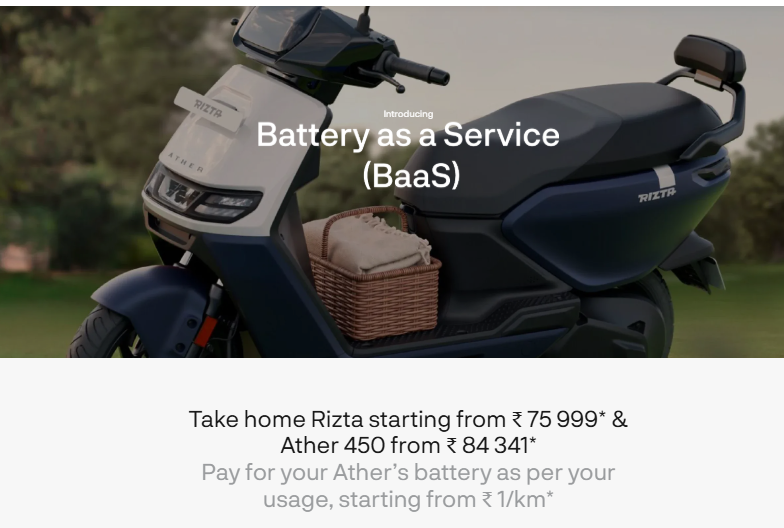
Benefits of Battery As A Service (BaaS)
- Reduces the Financial Barrier SIGNIFICANTLY … by separating battery ownership from vehicle… Makes electric vehicles (EVs) more affordable and to a wider audience.
- Provides steady income to the company… right through the lifetime of the vehicle.
- Ideal for fleet vehicles like taxis and delivery vans that require constant operation.
- Some providers include perks like free charging or buyback options.
- Service providers handle battery maintenance, health monitoring, and recycling.
- Ensures optimal performance and extends battery lifespan.
- You don’t pay when the battery is idle.
- Idle batteries at swap stations can discharge energy back to the grid during peak hours.
- Enhances grid stability and supports renewable energy integration.
- Swapping Stations solves charging challenges in cities where home charging infrastructure is limited.
- Swapping Stations provide a practical alternative for apartment dwellers.
- Promotes reuse and recycling of batteries, supporting circular economy principles.
- Reduces electronic waste and encourages second-life applications for used batteries.
- Enables quick battery swaps at designated stations, minimizing downtime compared to traditional charging.
Conclusion
Battery as a Service is more than a business model—it’s a paradigm shift in how we access and manage energy.
As technology advances and sustainability becomes imperative, BaaS will play a pivotal role in shaping the future of mobility and energy.
 PlugInCaroo... Karo plugin... abhi!... save the environment!!!
Pingback: Top Selling Electric 2-Wheelers in Sept 2025 | PlugInCaroo… Karo plugin… abhi!… save the environment!!!