
In the rapidly evolving landscape of electric mobility, Ola Electric has emerged as a bold disruptor. Yet, like many pioneers, it faces growing pains.

A future scenario where thousands of Ola scooters lie unrepaired outside service centers—many with deeply discharged batteries—poses both a logistical challenge and a reputational risk.
But what if this crisis could be transformed into a strategic win for both Ola and its customers?
Imagine Ola Electric launching a sweeping initiative: replacing the batteries of all affected scooters under a new Battery-as-a-Service (BaaS) ownership agreement. Instead of transferring battery ownership to the customer, Ola retains it and charges a nominal ₹1 per kilometer ridden. This model not only solves…
the immediate problem but also lays the foundation for a more sustainable, scalable, and customer-friendly future.
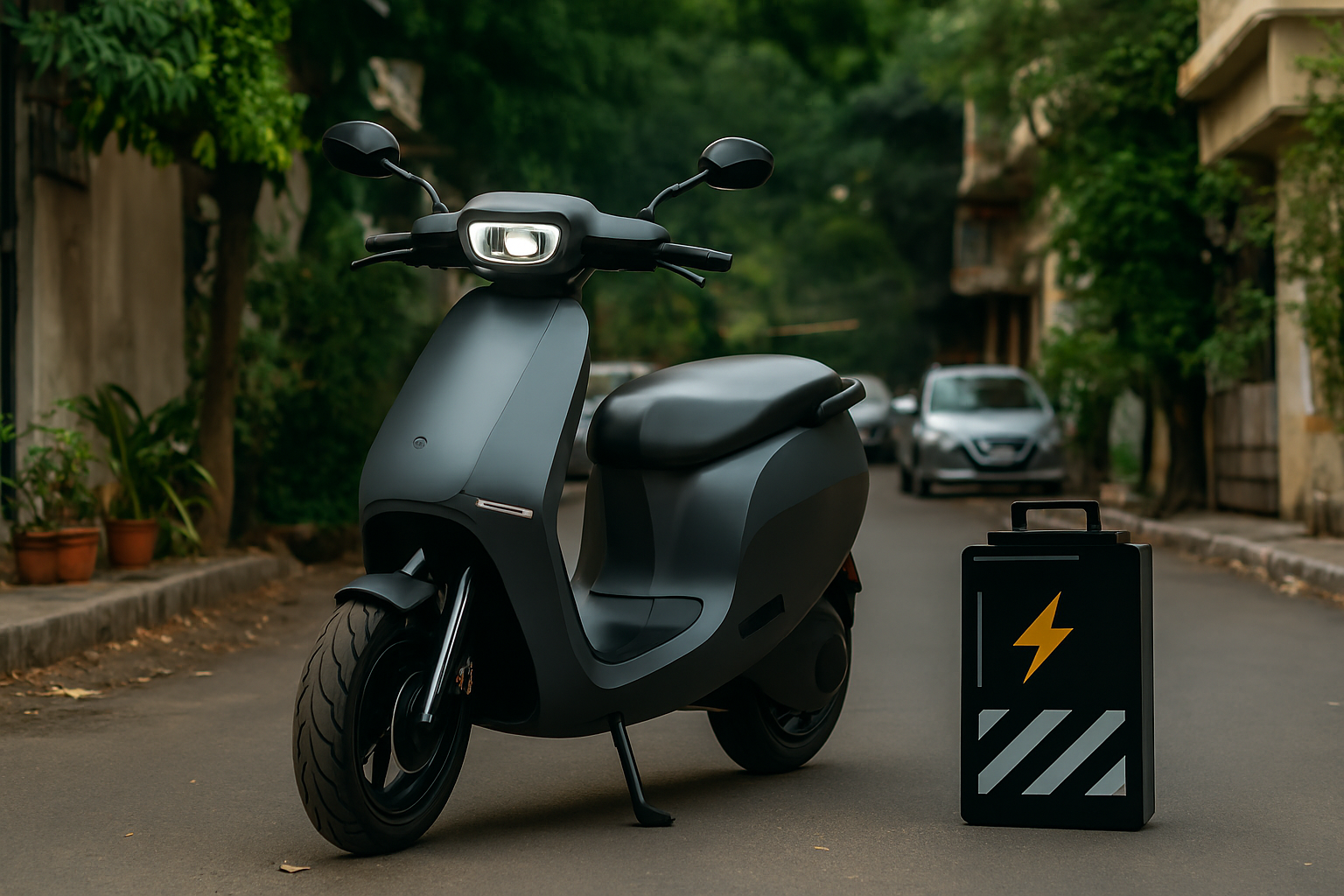
A Win-Win Proposition
For Customers:
- Zero Upfront Cost: Riders receive a new battery without paying ₹90,000 out of pocket.
- Pay-as-You-Ride: The ₹1/km model aligns cost with usage, making EV ownership more accessible.
- Peace of Mind: Ola takes full responsibility for battery health, maintenance, and replacement.
For Ola Electric:
- Revenue Recovery: With each scooter potentially generating ₹200,000 (Re1 x 200,000 km over 10-15yrs) over the lifetime of the scooter, Ola could recoup and even double its investment.
- Lifecycle Control: Retaining battery ownership allows Ola to manage recycling, upgrades, and second-life applications.
- Customer Retention: The BaaS model creates a long-term relationship with users, encouraging loyalty and repeat engagement.
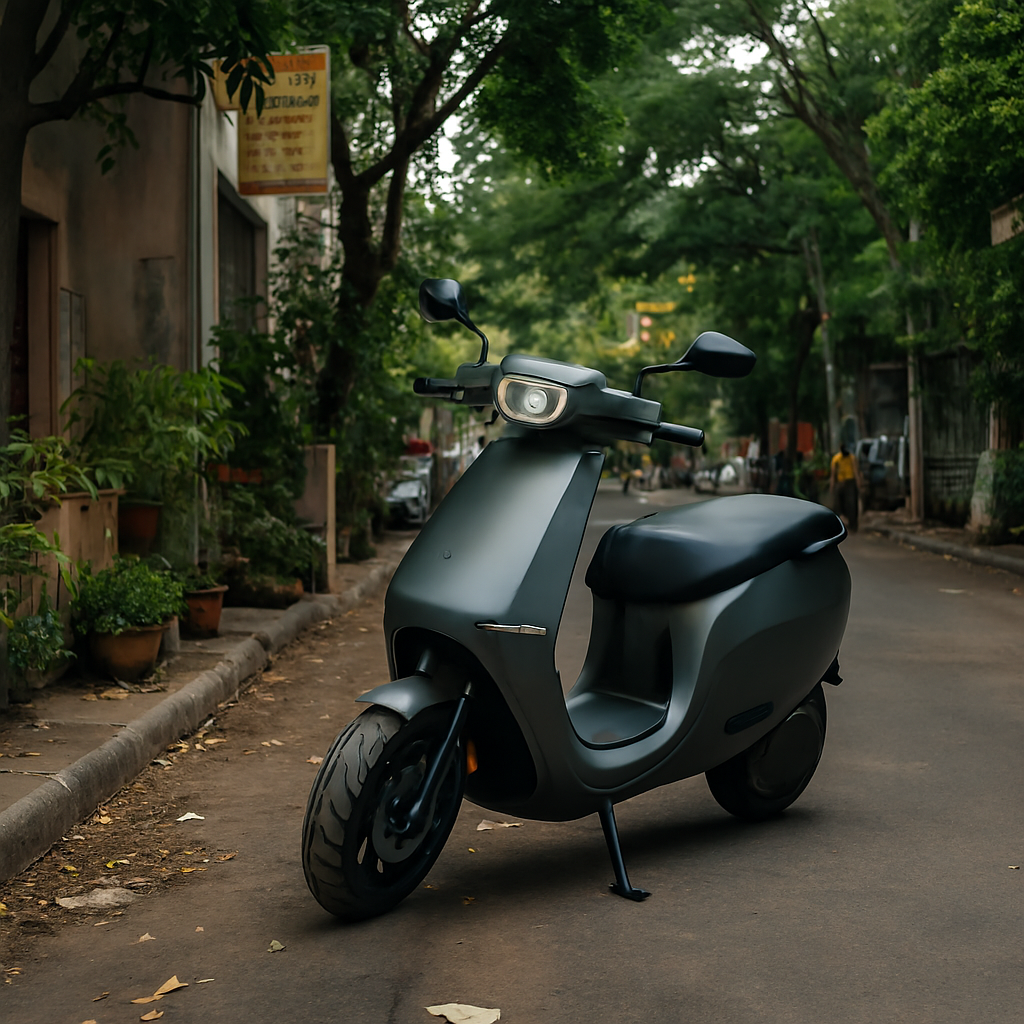
Operational Execution
Ola would need to mobilize its service network, deploy smart metering technology, and educate customers about the new model.
While the upfront cost of replacing 200,000 batteries—estimated at ₹1,800 crore—is daunting, the long-term revenue potential of ₹10,000–₹18,000 crore makes it a strategic investment.
Ola could do this one shop at a time… and complete this massive recall over one 1 or 2 yrs.
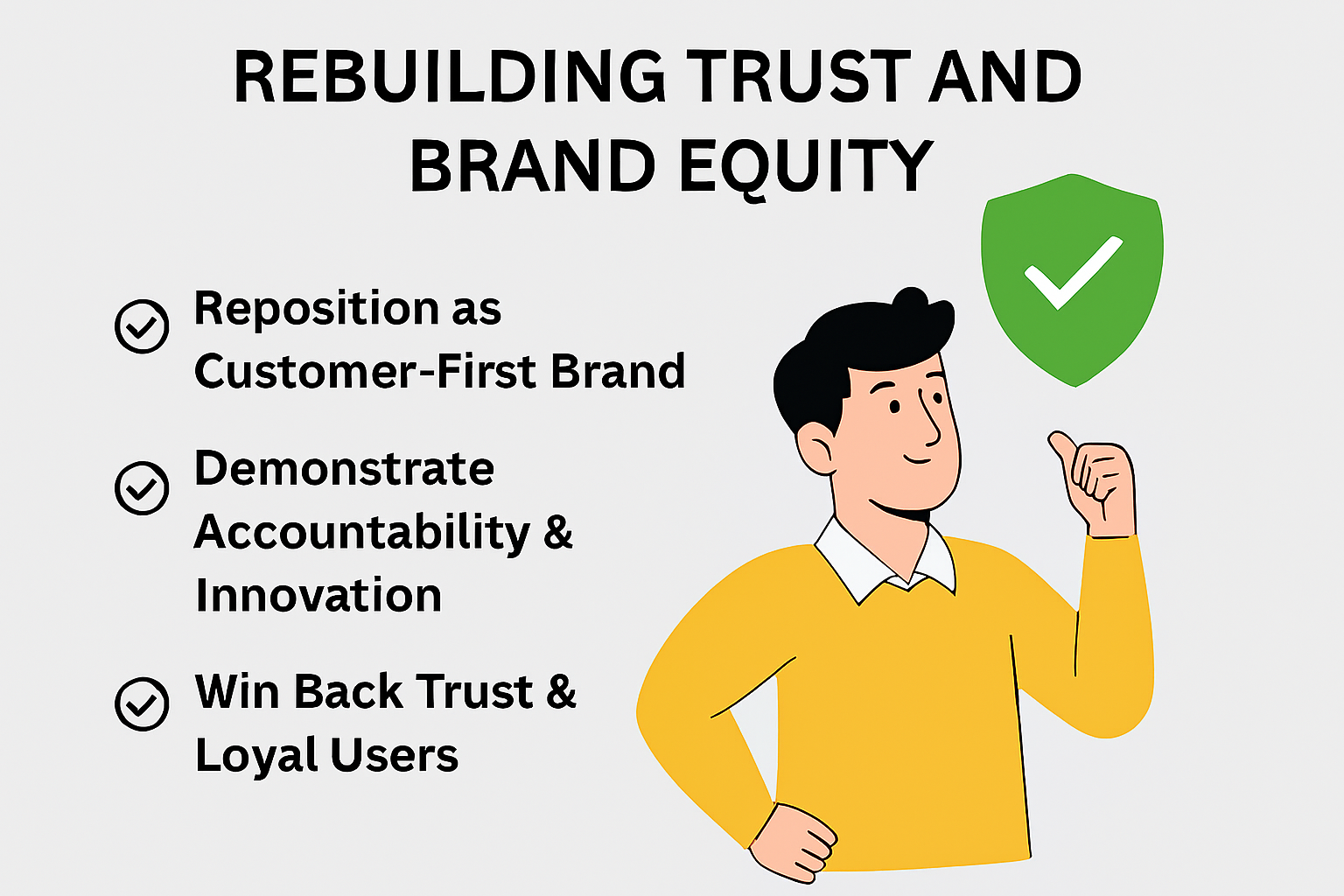
Rebuilding Trust and Brand Equity
Public perception is shaped not just by what goes wrong, but by how a company responds. By proactively replacing batteries and introducing a transparent, user-friendly BaaS model, Ola could:
- Reposition itself as a customer-first brand
- Demonstrate accountability and innovation
- Win back trust from frustrated users
- Attract new customers drawn to flexible ownership models
In an industry where reliability and service matter as much as technology, such a move could elevate Ola’s brand to new heights.
The Bigger Picture
This isn’t just about fixing broken scooters. It’s about redefining EV ownership in India. Ola’s BaaS initiative could encourage a shift from product sales to service ecosystems. It aligns with global trends in mobility-as-a-service and circular economy principles.
Conclusion
By replacing batteries under a BaaS agreement, Ola Electric turns a costly recall into a strategic pivot. Customers benefit from affordability and assurance, while Ola gains recurring revenue and brand loyalty.
In the end, it’s not just a win-win—it’s a transformation.
One that could make Ola not only a leader in electric mobility, but a symbol of resilience, innovation, and trust.
 PlugInCaroo... Karo plugin... abhi!... save the environment!!!