
Paying Urban Women MSP for Composting
India’s cities face a mounting waste crisis, with Bengaluru standing as a prime example of overflowing landfills, unsegregated garbage, and rising plastic pollution. Yet within this challenge lies a transformative opportunity: to empower urban women as leaders of a waste-to-wealth revolution, turning household garbage into compost and reshaping urban sustainability.

Why collect Garbage when you can collect Compost?.. and there is no smell.
Women as the Drivers of Urban Waste Management
In most city households, women manage daily waste disposal. By paying urban women a Minimum Support Price (MSP) of Rs 30 per kilogram of compost, municipalities can create a powerful incentive system.
This policy not only ensures proper segregation and composting but also provides women with steady income, formal recognition, and economic independence.
It transforms waste management from a civic burden into a livelihood opportunity, especially for women in low-income urban communities.
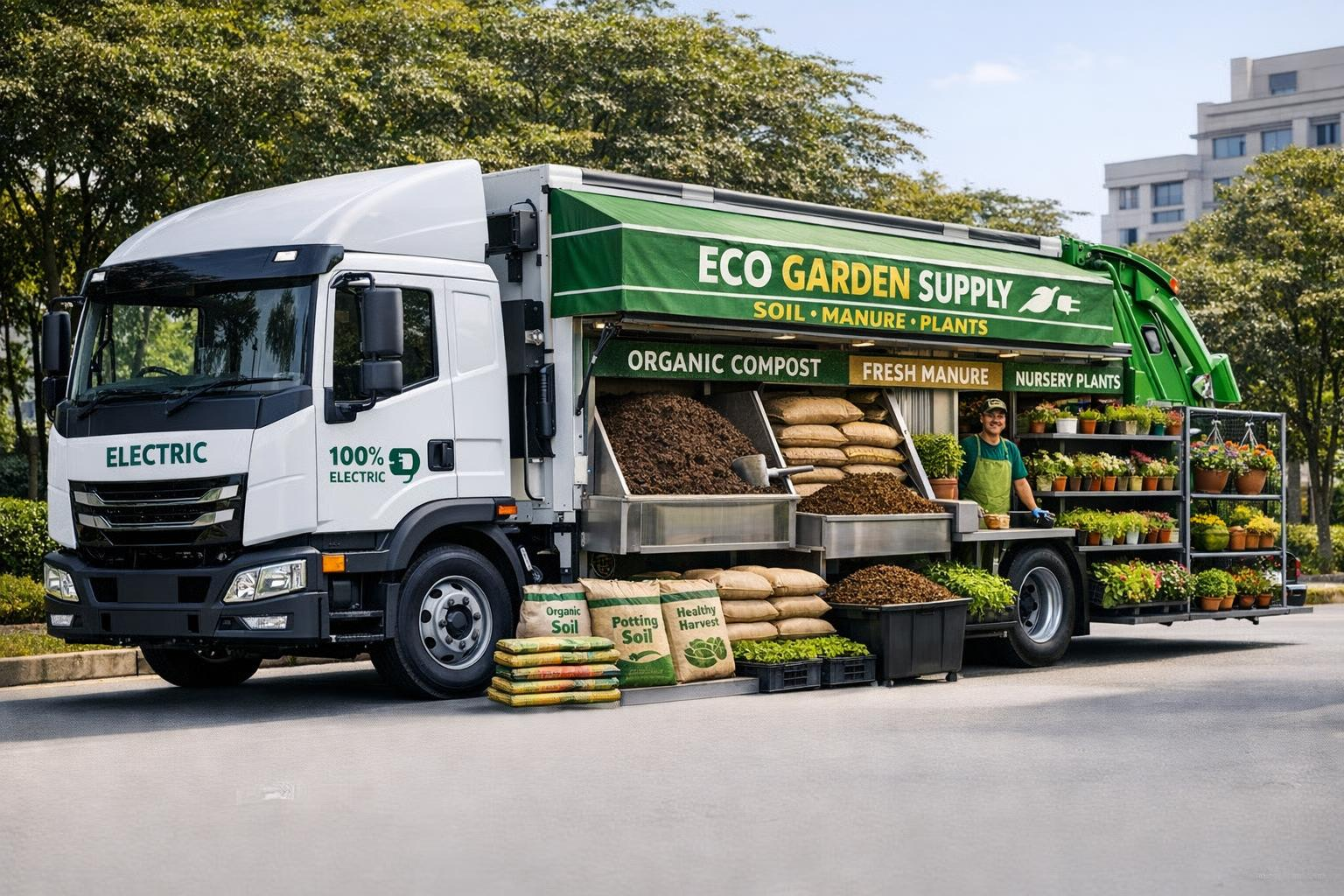
Smart Collection: Trucks, Weighing, and Digital Payments
To ensure transparency and efficiency, compost collection trucks should be equipped with GPS to show where it is at any given time, weighing systems, computer and UPI barcode scanners.
Each household would have a unique barcode. When the truck collects compost, it weighs the contribution and scans the barcode, automatically registering how many kilograms each user has provided.
The payment should be done immediately like in Dairy Industry.
The truck should also be able to sell compost to who ever wants to buy it by way of UPI Payment at the rate of Rs 100 per Kg.
The truck should carry the instruction from where the digesters for small homes can be bought (Amazon India link) or its own website.
This system guarantees accountability, prevents fraud, and ensures women receive timely compensation for their efforts.
These composts should not be collected by existing garbage trucks. They should be collected by new trucks that run on Electricity. They should be neater and cleaner.
Each truck should work in 2 shifts – 9AM in the morning and 9 PM in the evening. This will ensure that the trucks are NEVER OVERFLOWING with garbage… as it is now.
All trucks should have GPS and Computer which can scan UPI QR Code of person who contributes compost and record how much compost he has contributed.
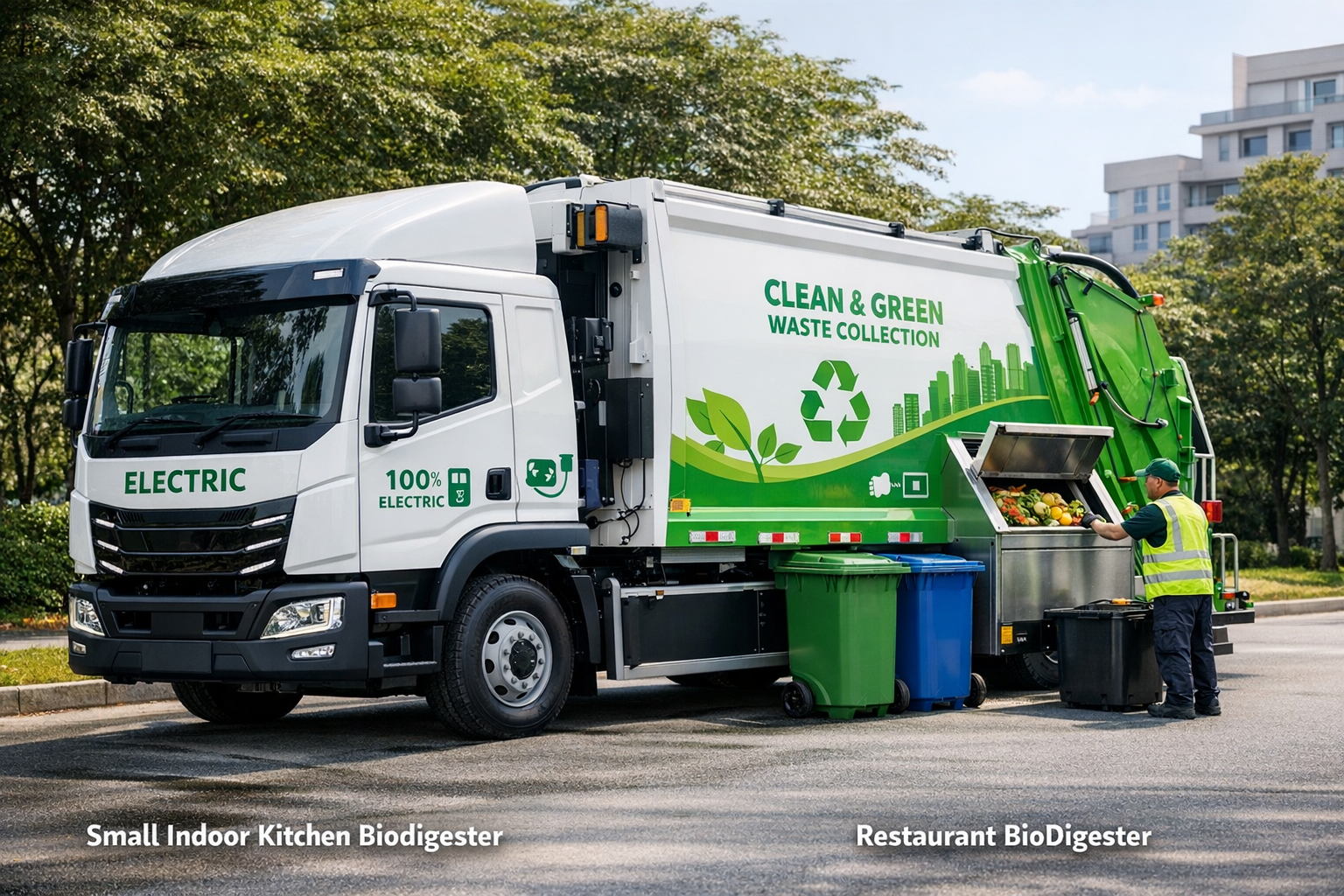
You might collect normal garbage also to supply to established BioGas Digesters. But such Trucks should be Electric Truck with GPS to show where it is at any given moment.
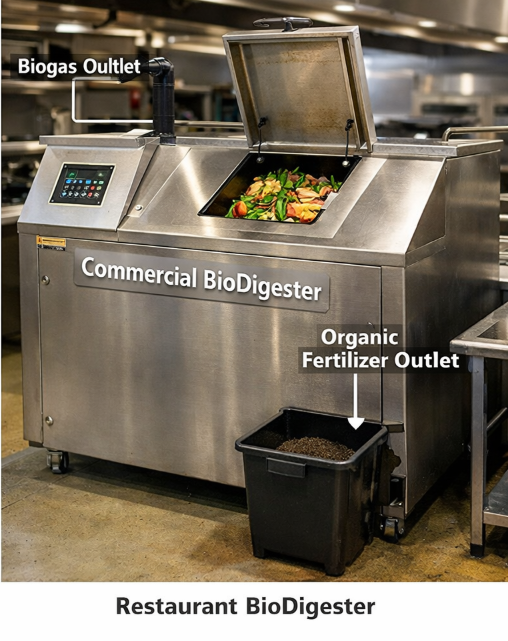
Restaurants, as major waste generators, should be mandated to install biodigesters before giving the permit to operate. This will also allow them to generate biogas to support 25%-50% of their energy needs.
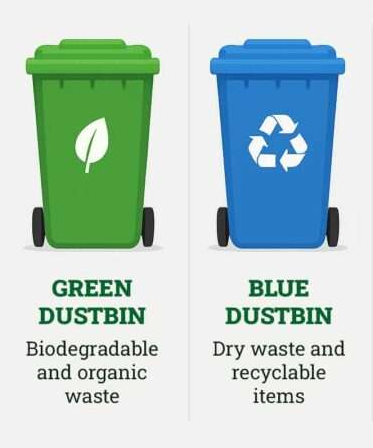
Garbage Bins are a must… you cannot do without it.
There needs to be a 2Bin System placed at every 100 mtrs. One for Wet Waste and other for Plastic and paper.
Agricultural Benefits: Linking Cities to Farms
The compost generated in cities would enrich soils across Karnataka and beyond. Farmers would benefit from improved fertility, higher yields, and reduced dependence on chemical fertilizers.
Conclusion
“Pay urban women MSP for turning waste into compost” is not just a slogan—it is a visionary policy that bridges urban waste management, women’s empowerment, and rural agriculture.
India can transform its garbage crisis into a national opportunity.
With smart collection systems, digital payments, and farmer-focused compost distribution, this model could serve as a blueprint for sustainable development across the country.
 PlugInCaroo... Karo plugin... abhi!... save the environment!!!