Let us as a Nation move towards fuel efficient vehicles, clean water, green farms and a clean-green environment!
India receives some of the highest rainfall in the world... still the country thirst for water... why?
India has the highest cattle population in the world...but hardly extracts any biogas/gobar-gas from it... why?
India tops the world in almost all agricultural products... but less than 1% is organic/natural... why?
India receives good sunlight and has a Solar powered Airport... but less than 0.01% of houses are powered by solar power... why?
India has the best electric/CNG car in the world (E2O/Tata NANO).. but 99.99% of car owners prefer to pay in dollars for their petrol.. why? (1Ltr = 1$ almost).
All these problems can be solved by us 100% within our lifetime... if we take action to solve these issues personally and bringing awareness about it, (instead of discussing TV serials, celebrities, cricket scores & political parties).
Let us together build a bridge of knowledge over ignorance!
Lets us become independent from "Fuel, Water and Seed control".
Right from the time when fire was discovered as a source of energy people have been trying to control the source of energy... not any more!
Suzlon Energy has transformed from a debt-ridden company into a lean, growth-focused renewable energy player. With new technology, strong financials, and global ambitions, it is once again positioning itself as a serious contender in the wind energy sector.
The German Transport union is demanding shorter shifts, longer rest breaks and higher pay for night and weekend work even as cities grapple with budget constraints.
Little do they know that smart metro trains today… run automatically without any staff to run them… in all metros… post 2020. Companies are planning to reduce workforce because of Union pressure.
Germany the giant of machine era today seem old, lethargic… two decades behind ASIAN tech-country.
Indian tech companies are pressing for 12 hour work days… and here they want breaks. Our Govt departments worked liked that 20yrs ago.
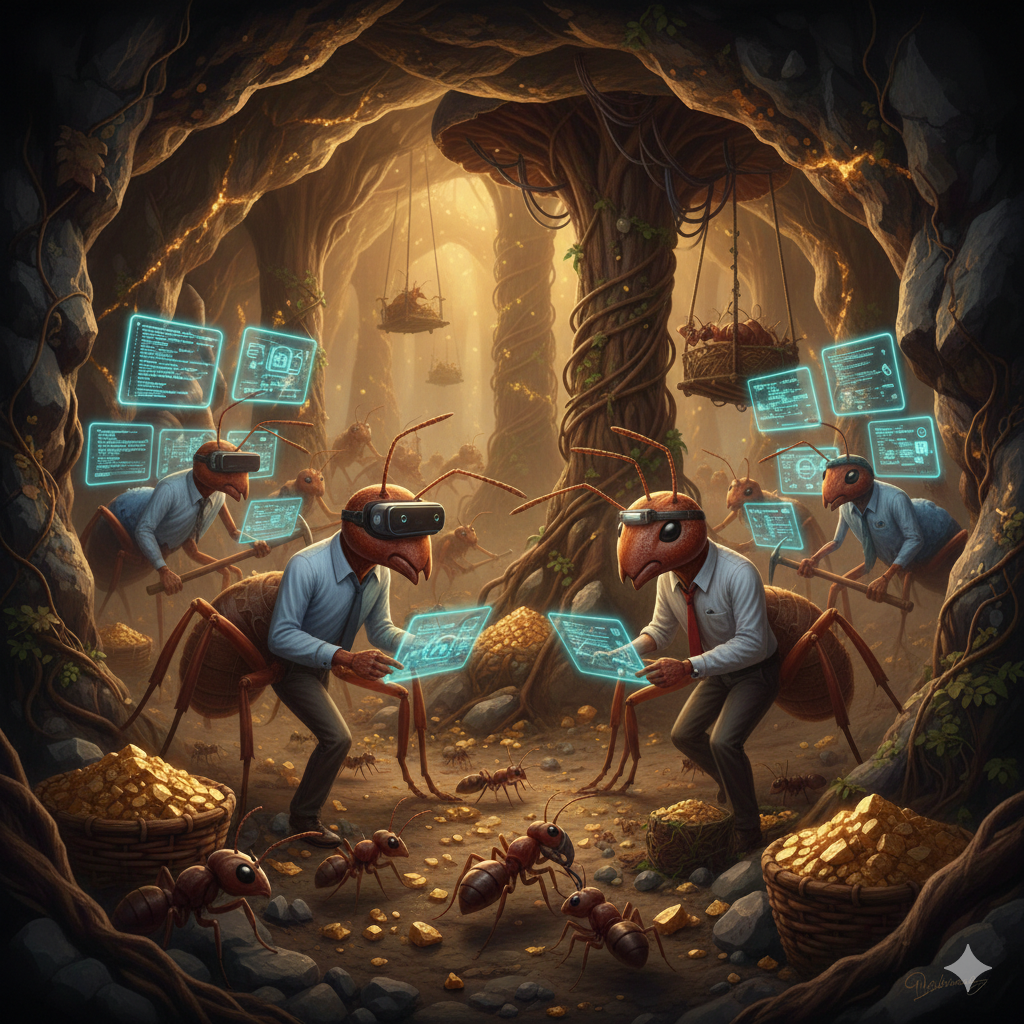
Alexander the Great came in search of a LAND in the EAST… where the sun sets. There his Greek mystics told him he would find Ants that turn sand into gold.
In this quest he came almost till Jhelum River. Lost his famed phalus… oops… lost his famed horse Bucephalus in a duel with a small time King Porus… somewhere on the border of India… (Porus a guy who was so small in fame that there are absolutely no records of him in India except Alexander’s version). It was Alexanders most difficult fight… even came close to death…. Porus didnt kill him as Alexander had fallen from his horse and was laying unconcious before him… Porus lets him live as it was against the laws of Fair warfare … Alexander returns the favour. Shortly after that…
इन्वर्टर क्या होते हैं? इन्वर्टर एक इलेक्ट्रॉनिक डिवाइस है जो बैटरी जैसे सोर्स से डायरेक्ट करंट को अल्टरनेटिंग करंट में बदलता है।
आधुनिक इन्वर्टर स्मार्ट होते हैं और AC मेन पावर को DC पावर में बदलकर खत्म हो चुकी बैटरी को रिचार्ज भी कर सकते हैं।
कई कंपनियाँ सिर्फ़ इन्वर्टर देती हैं और बैटरी दूसरी कंपनी से लेनी पड़ती है। फिर आपको इन्वर्टर की पावर रेटिंग के हिसाब से बैटरी की संख्या मैच करनी होती है। इसके बाद आपको किसी इलेक्ट्रीशियन से अपने घर की पावर लाइन से सिस्टम सेट अप करवाना होता है। कभी-कभी कंपनियाँ यह सर्विस एक्स्ट्रा कीमत पर देती हैं।
ओला शक्ति एक स्मार्ट और इंटेलिजेंट यूनिट है जिसमें इन्वर्टर और बैटरी केसिंग के अंदर होती हैं। आपको बस इसे अपने घर के पावर सॉकेट में प्लग करना है।
For years, India’s EV scooter market was stuck in a tug-of-war between premium positioning and mass affordability. Ather leaned premium-first, Ola chased flashy launches, and Hero MotoCorp cautiously dipped its toes.
Both Ather and Ola had bigger battery packs… well supported by FAME2.
Then Govt pulled the plug… no more FAME2 Subsidies.
Then Govt stabbed entire EV industry in the back… just like Kattappa did… pulled the rug from under EVs feet… Diwali 2025 will always be remembered as PUTIN’s Diwali gift… 10% discount in GST for Petrol Scooters and 0% discount for EV sector. No subsidies for EVs… nothing… NADA… kuch nahi… sampla… baad me jao EVs… kinda attitude.
eScooter sales are flat in 2026… while Petrol 2W hit record sales… thanks to 10% GST discount by Govt.
As a result eScooter sales have been flat … first time in decades. The greatest pain was suffered by the electric 2-wheeler industry… and one particularly INNOVATIVE COMPANY… OLA ELECTRIC… Ather and Hero escaped this avalanche because they had early in the year just launched BaaS. Ather was first to introduce it… Hero which is already invested heavily in Ather Energy went along with this technology.
Ather introduced Battery-as-a-Service (BaaS) in India — a scheme that slashed upfront costs, shifted risk, and turned batteries into subscriptions. The eScooter’s weakness became its strength… the expensive Battery now became its strength.
A Rs 156,000 Scooter might seem very expensive for the lower middle class who primarily make up the main scooter customer. But under BaaS the price of Rs 80,000 is deducted from the scooter price and the customer can buy the scooter for just Rs 76,000 and agree to pay at Re1/per km.
Over 20yrs the scooter might do over 2,00,000 kms and earn the company Rs 2,00,000 in BaaS revenue.
The batteries will earn at least 3 times more over the lifetime of the scooter that the scooter itself. Suddenly, scooters weren’t just vehicles; they were annuities on wheels.
Before BaaS: The Premium Trap
Ather Rizta: Sold ~1.1–1.5 lakh scooters annually before BaaS, struggling to break into mass affordability.
Hero VIDA: Hovered at ~6,800 quarterly sales, holding just 6.8% of the EV market.
Consumer hesitation: High upfront costs and battery replacement fears kept buyers cautious.
Why BaaS Works
Lower upfront cost: Scooters became cheaper than petrol rivals like Honda Activa.
Buyback guarantees: Up to 60% resale value reduced consumer risk.
Ather and Hero have turned scooters into streaming services on wheels. You don’t buy the battery; you subscribe to it. Instead of binge-watching shows, you binge-ride kilometers.
The upfront cost is low, but the recurring bill keeps rolling — much like your monthly OTT subscription.
The difference? BaaS subscription comes with wheels, warranties, and a resale guarantee.





 PlugInCaroo... Karo plugin... abhi!... save the environment!!!