

What if someone told you that you could get free fuel to cook food, free fuel to run your car, free fuel to heat your home in winter, free electricity to cool your house with AC… would you believe? … well that’s what BioGas/BioMethane can do… only if you feed it with waste and garbage… it would do it all for free.
Biogas stands as a beacon of sustainable energy, offering a trifecta of benefits—fuel, electricity, and fertilizer. The article from PlugInCaroo passionately advocates for biogas as a transformative solution for energy independence, environmental sustainability, and economic empowerment, especially in rural and semi-urban communities.
🔥 What Is Biogas?
Biogas is produced through…
the anaerobic digestion of organic waste, such as cow dung, kitchen scraps, and agricultural residues. The resulting methane-rich gas can be used for:
- Cooking
- Lighting
- Electricity generation
- Fueling vehicles
🚗 Biogas in Transportation

The article highlights that biogas can replace petrol and diesel in vehicles. It’s already being used in some places to power cars, including high-speed race cars, proving its reliability and efficiency.
💡 Electricity Generation
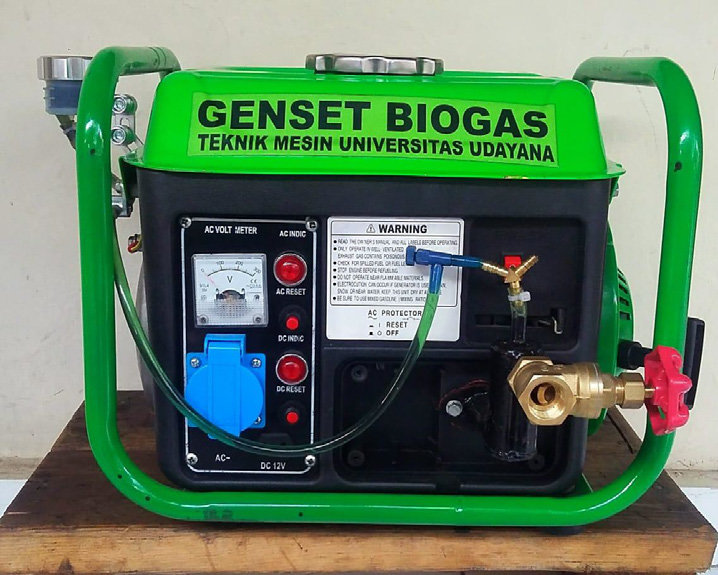
Beyond transportation, biogas can be harnessed to generate electricity. This is particularly beneficial for rural areas where power supply is erratic or unavailable. A biogas plant can provide consistent electricity to homes, schools, and small businesses, fostering development and improving quality of life.
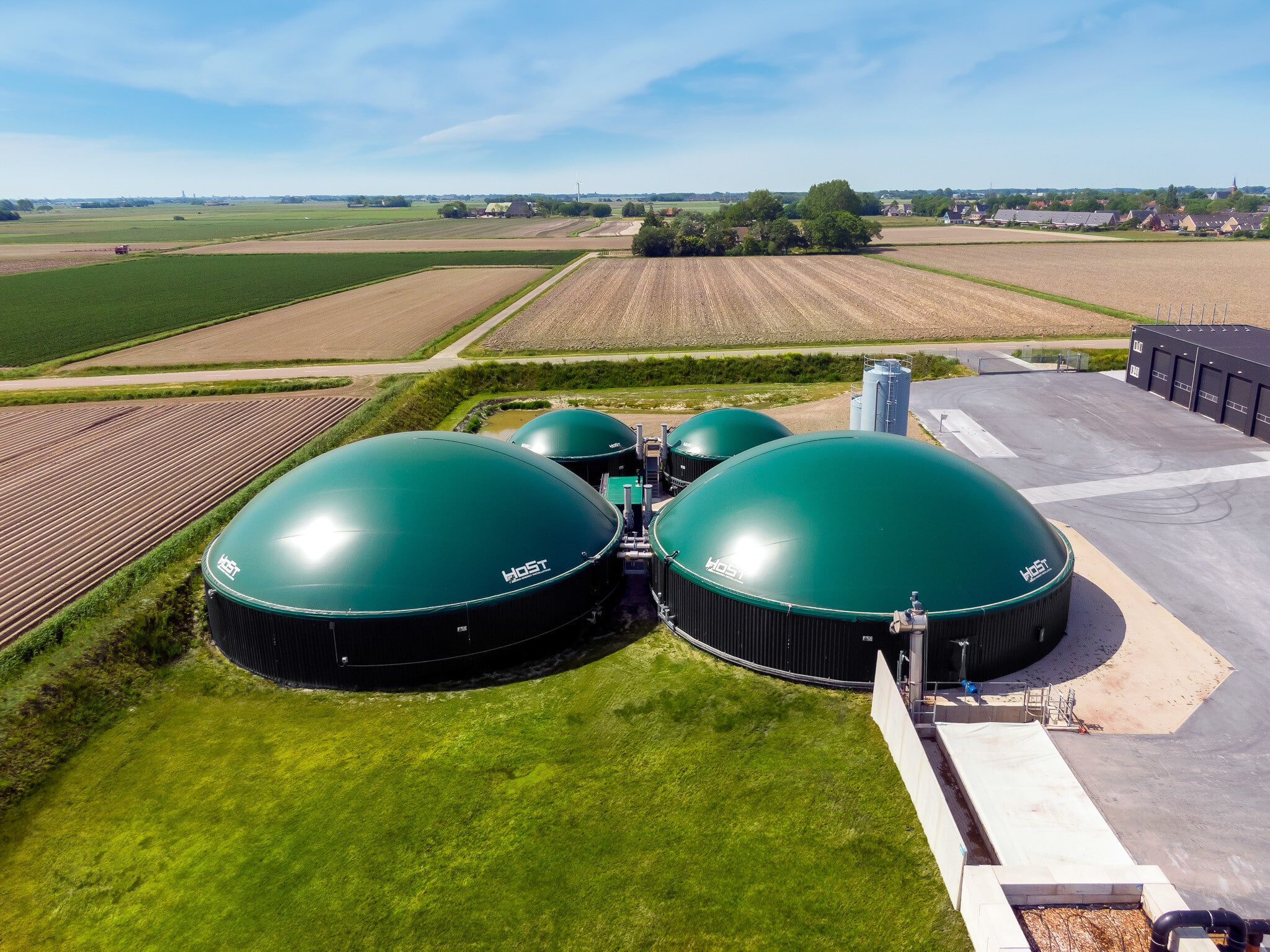
Biogas can be used to generate electricity, especially in areas with unreliable power supply. A small biogas plant can power homes, schools, and small businesses, making it a game-changer for rural development.
🌾 Organic Fertilizer
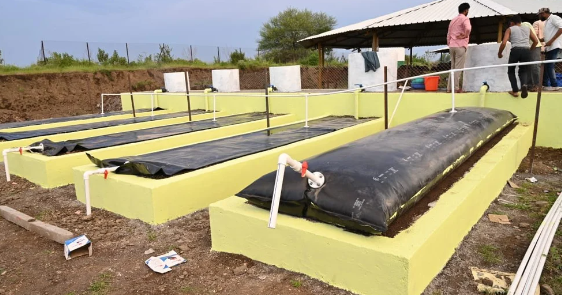
The byproduct of biogas production—called digestate—is a nutrient-rich organic fertilizer. It’s safer and more sustainable than chemical fertilizers, improving soil health and crop yields.
🏠 Home Biogas Plants
The article strongly advocates for home biogas units, which are:
- Compact
- Affordable
- Easy to maintain

These units can be fed with daily kitchen waste and cow dung, making them ideal for households with livestock. Even urban homes can benefit by converting waste into energy and fertilizer.
💰 Economic Benefits
Biogas reduces:
- Fuel costs
- Electricity bills
- Fertilizer expenses
It also creates opportunities for local entrepreneurship, such as selling excess gas or fertilizer.
🌍 Environmental Impact
Biogas helps:
- Reduce greenhouse gas emissions
- Minimize landfill waste
- Lower dependence on fossil fuels
It’s a clean, renewable energy source that supports climate action and sustainable living.
The Power of Biogas
Biogas is produced through the anaerobic digestion of organic materials such as cow dung, kitchen waste, and agricultural residues. This process yields methane-rich gas that can be used for cooking, lighting, and even powering vehicles. The article highlights a striking example: a race car powered entirely by biogas, demonstrating its viability even in high-performance applications.
Fuel for the Future
One of the most compelling aspects of biogas is its ability to replace conventional fuels. The article emphasizes that biogas can be used in vehicles, reducing dependence on petrol and diesel. It’s not just a theoretical possibility—biogas-powered vehicles are already in use, showcasing the fuel’s reliability and efficiency.
Fertilizer Bonus
The byproduct of biogas production—digestate—is a nutrient-rich organic fertilizer. Unlike chemical fertilizers, it enriches the soil without harmful side effects. Farmers can use this to improve crop yields while maintaining ecological balance. The article underscores this dual benefit: energy and agriculture working hand in hand.
Home Biogas Plants: A Game Changer
PlugInCaroo advocates for the installation of home biogas plants, which are compact, affordable, and easy to maintain. These units can be fed with daily kitchen waste and cow dung, making them ideal for households with livestock. The article suggests that even urban homes can benefit, turning waste into wealth.
Economic and Environmental Impact
Biogas offers significant economic advantages. It reduces fuel costs, lowers electricity bills, and provides free fertilizer. Environmentally, it curbs greenhouse gas emissions, reduces reliance on fossil fuels, and promotes waste management. The article positions biogas as a tool for both poverty alleviation and climate action.
Celebrity Endorsement and Public Awareness
Interestingly, the article mentions Bollywood actor Aamir Khan in the context of promoting biogas awareness. While not elaborated, this suggests the importance of celebrity influence in driving public interest and adoption of sustainable technologies.
Conclusion
Biogas is more than just an alternative energy source—it’s a catalyst for change. From powering race cars to lighting homes and enriching soil, its applications are vast and impactful. The PlugInCaroo article makes a compelling case for embracing biogas as a never-ending source of fuel, electricity, and fertilizer. With the right awareness and infrastructure, biogas can revolutionize energy consumption and environmental stewardship across the globe.
 PlugInCaroo... Karo plugin... abhi!... save the environment!!!
Pingback: GSFC BioGas Plant for companies at Rs 11 Lakhs | PlugInCaroo… Karo plugin… abhi!… save the environment!!!
Pingback: Enough is enough – Time to tax the Lazy Farmers! | PlugInCaroo… Karo plugin… abhi!… save the environment!!!