
The question of whether biogas or hydrogen is a better fuel depends on various factors, including the intended application, availability of resources, infrastructure, and environmental considerations. Let’s explore both options:
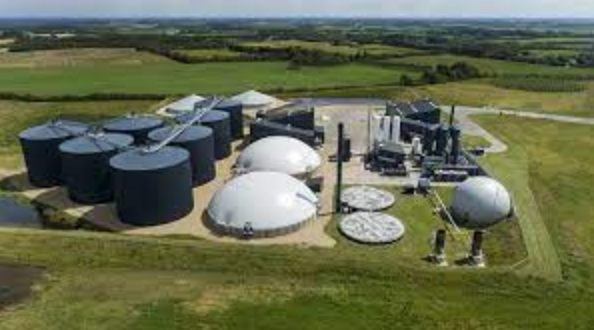
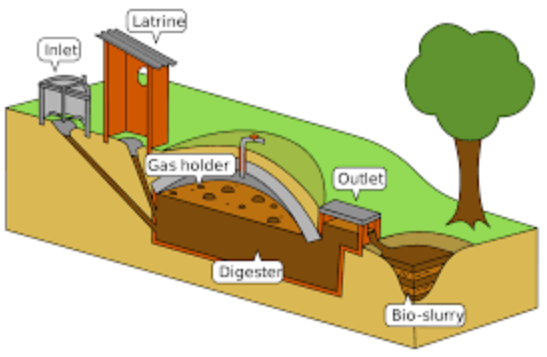
Biogas: Biogas is produced through the anaerobic digestion of organic matter, such as agricultural waste, sewage, or food waste. It primarily consists of methane (CH4) and carbon dioxide (CO2), with small amounts of other gases. Here are some advantages and considerations:
Advantages of biogas:
- Renewable and sustainable: Biogas is derived from organic waste, making it a renewable energy source.
- Existing infrastructure: Biogas can be readily used in existing natural gas pipelines and infrastructure, making it relatively easy to integrate into current energy systems.
- Waste management: Biogas production helps mitigate waste disposal issues by utilizing organic waste that would otherwise decompose and emit greenhouse gases.
Considerations for biogas:
- Lower energy density: Biogas has a lower energy density compared to hydrogen, resulting in a lower energy content per unit volume.
- Carbon emissions: While biogas reduces CO2 emissions compared to fossil fuels, its combustion still produces CO2. Methane, the primary component of biogas, is also a potent greenhouse gas if released into the atmosphere.
- Limited scalability: Biogas production depends on the availability of organic waste, which may limit its scalability for large-scale energy demands.
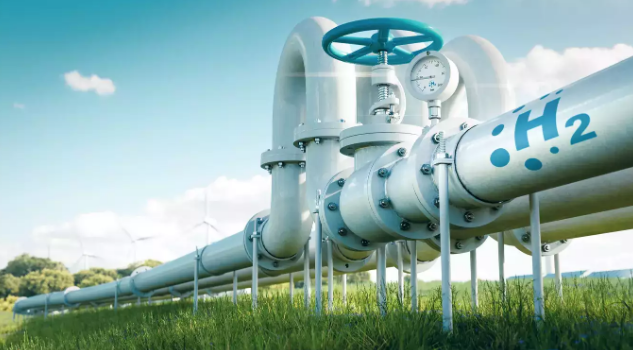
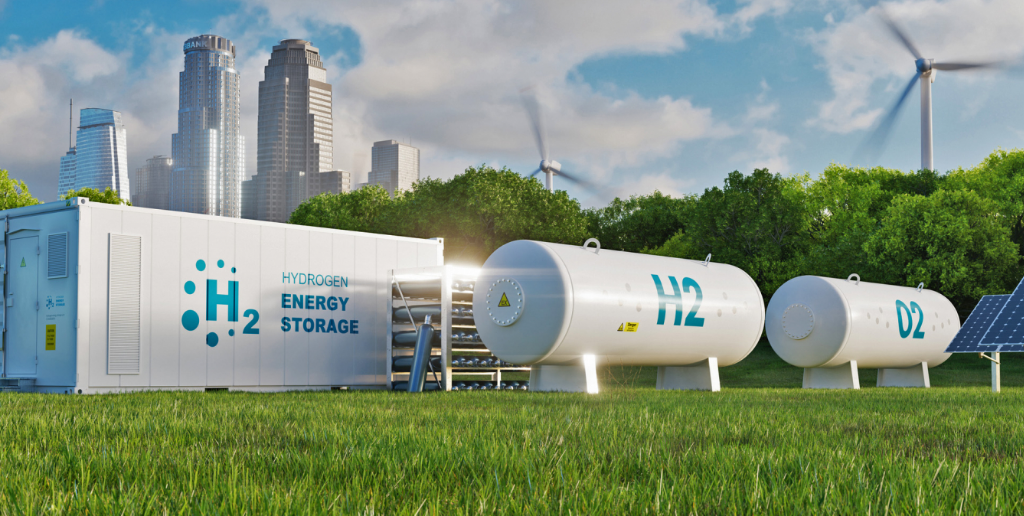
Hydrogen: Hydrogen is a versatile energy carrier that can be produced from various sources, such as water electrolysis, natural gas reforming, or renewable electricity. It can be used directly as a fuel or converted into electricity through fuel cells. Let’s consider its advantages and considerations:
Advantages of hydrogen:
- High energy density: Hydrogen has a higher energy density than biogas, meaning it can store more energy per unit volume.
- Zero emissions when used in fuel cells: When hydrogen is used in fuel cells, the only byproduct is water, resulting in zero direct emissions and reduced environmental impact.
- Potential for renewable production: Hydrogen can be produced through electrolysis using renewable energy sources, such as solar or wind power, which allows for a carbon-free production pathway.
Considerations for hydrogen:
- Production challenges: The production of hydrogen at scale still faces challenges, such as the high energy requirements for electrolysis or the emissions associated with other production methods like natural gas reforming.
- Infrastructure requirements: Hydrogen infrastructure, including storage, transportation, and refueling stations, is less developed compared to traditional fuels, posing challenges for widespread adoption.
- Safety concerns: Hydrogen is highly flammable and requires special safety considerations for storage and handling.
Ultimately, the choice between biogas and hydrogen depends on the specific context, including the availability of resources, infrastructure readiness, environmental goals, and energy requirements of the intended application. Both biogas and hydrogen can play valuable roles in a diversified and sustainable energy future.


An insightful comparison of biogas and hydrogen, highlighting the strengths and challenges of each. While biogas offers immediate benefits through existing infrastructure and waste management, its limitations lie in scalability and emissions.
On the other hand, hydrogen, with its high energy density and potential for zero emissions, presents a promising energy source for the future.
However, its production challenges and infrastructural needs cannot be ignored. As we transition towards greener energy solutions, a holistic approach that leverages the best of both fuels could be the optimal path forward.
The interplay between these two energy carriers, tailored to specific regional and application needs, might just be the key to a sustainable energy landscape.
LikeLiked by 1 person
Pingback: Set up BioGas Plant for Farmers | Full Information | PlugInCaroo… Karo plugin… abhi!… save the environment!!!