
Bottom fishing in the stock market refers to the strategy of buying stocks that have fallen sharply in price, under the belief that they are undervalued and will eventually rebound.
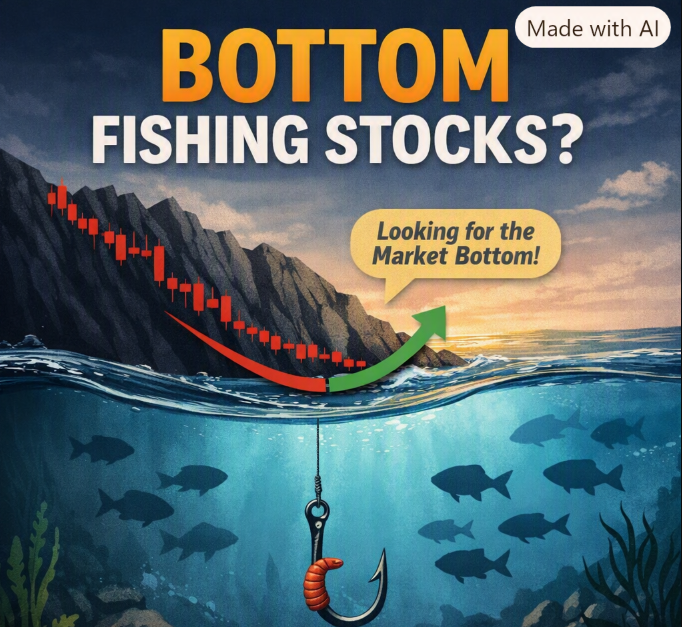
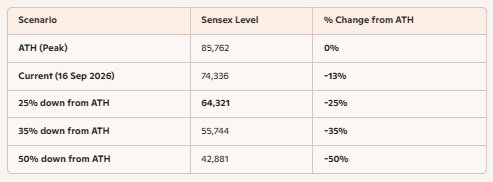
Bottom fishing is not about guessing the lowest price, but about identifying strong companies temporarily beaten down. Done carefully, it can be a smart value strategy; done recklessly, it risks “catching a falling knife.”
(Pls note this is not a stock buy or sell advice. This is only for educational/understanding purposes and sourced from AI which can make mistakes. Always consult your financial advisor before investing in stocks because the losses in STOCK MARKET could be severe. All the data and analysis used in this are sourced from AI).
✅ When It Can Work
Double check… the Market Mood Indicator… buy on EXTREME FEAR… sell on EXTREME GREED.

BUY ON EXTREME FEAR (less than 30) and SELL ON EXTREME GREED
Best companies to buy:
- Strong fundamentals: Companies with healthy balance sheets, positive cash flow, manageable debt… and MONOPOLY companies.
- Valuation support: Low P/E or P/B ratios compared to peers.
- Catalysts: Cost cuts, new products, or industry recovery.
- Insider confidence: Buybacks or insider purchases.
- Price action: Stabilization, reduced volatility, and basing patterns.
⚠️ Risks of Bottom Fishing
- Value traps: Cheap stocks can get cheaper if earnings keep sliding.
- Structural problems: Declines may reflect deeper issues (poor management, industry headwinds).
- Timing difficulty: Rarely possible to catch the absolute bottom.
- Capital risk: Without diversification or stop-losses, losses can compound.
Practical Approach
- Staggered buying: Enter in stages rather than all at once.
- Risk management: Use position sizing and stop-loss rules.
- Focus on quality: Target companies with proven resilience, not just low prices.
- Patience: Recovery may take months or years.

“Loss harvesting” (tax-loss harvesting) is the practice of selling investments at a loss… then buy the same nos of shares back… (or some other good share… possibly a monopoly share) within a few days… (to offset taxable capital gains).
When you are sure the market will fall more… its better to book profit… but there is also the fear of the stock price increasing suddenly… then not coming back to the same level you sold it at… you need to be aware of global and local events that could hit the stock market hard.
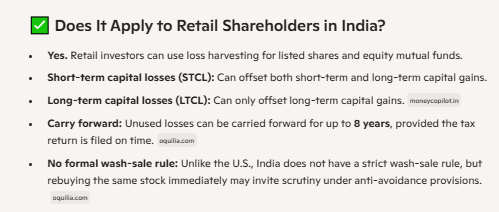
Yes, Loss Harvesting applies to retail shareholders also in India, and it should be used at every opportunity… because it reduces loss… reduces tax liability… preserves capital for compounding… and allows portfolio rebalancing.
Why It Should Be Practiced
- Tax savings: Every rupee of loss offsets taxable gains, reducing tax at 12.5% (LTCG above ₹1.25 lakh) or 20% (STCG).
- Preserve compounding capital: Lower taxes mean more money stays invested.
- Portfolio rebalancing: Opportunity to exit weak positions and reinvest in stronger ones.
- Strategic timing: Especially useful near year-end (before March 31) to optimize tax outcomes.

