
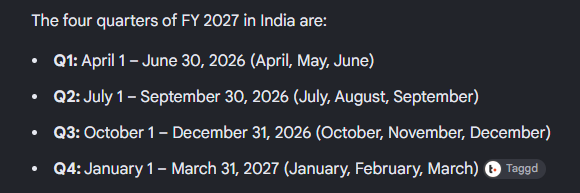
Ola Electric sold 14,106 vehicles in July 2026… 13,849 in Aug 2026… and lets imagine Ola sold 10,000 vehicles in Sept 2026…. this would be 37,955 sales in Q2.
The sales of 37,955 vehicles in Q2 FY27 mean… it the sales are down from 43,491 in Q1. (If OLA sells more it might do better). The reason for lower sales in Aug and Sept are that Ola had closed down factory to upgrade from 1GWh to 6GWh. The upgrade now seems to be complete.
(Pls note this is not a stock buy or sell advice. This is only for educational purposes and sourced from AI which can make mistakes. Always consult your financial advisor before investing in stocks because the losses in STOCK MARKET could be severe. All the data and analysis used in this are sourced from AI).
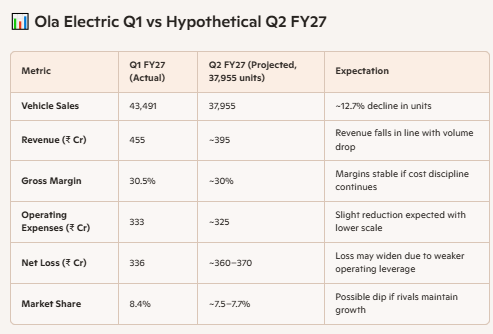
As Q2 projections suggest a decline to 37,955 units… and Stock Market PLUNGES… investors can consider 3 scenarios to gauge the stock’s potential trajectory… 1) Bullish Scenario… 2) Base Case Scenario &… 3) Bearish Scenario… so lets examine them:
If Ola Electric sells 10,000 vehicles in September 2026, total Q2 FY27 sales would be about 37,955 units… down from 43,491 in Q1… Revenue would decline proportionally from ₹455 crore to ~₹395 crore, while net loss could widen to ₹360–370 crore due to weaker operating leverage.
Pls Note: PLI incentives are not counted as revenue, as they are booked under “Exceptional Items.”
Q1 FY27 Performance
Ola’s Q1 FY27 results showed both promise and vulnerability. With 43,491 vehicles sold and ₹455 crore in revenue, the company demonstrated scale in India’s EV market. Yet, the net loss of ₹336 crore highlighted the challenge of profitability.
Q2 FY27 Projections
A decline to 37,955 units in Q2 suggests muted performance. Stock sentiment could turn cautious, with investors weighing three scenarios: bullish, base, and bearish.

Tailwinds for EV Adoption
Several macro factors favor EVs over petrol two-wheelers:
- Closure of Bab Al Mandab and Hormuz, raising oil prices.
- Bombing of Saudi and UAE oil facilities, restricting supply.
- Fear around E20 fuel adoption.
- Rising cost of living due to war.
- Delhi’s ban on petrol two-wheelers from April 2028.
These pressures, starting after September 2026, could accelerate EV adoption, benefiting Ola.
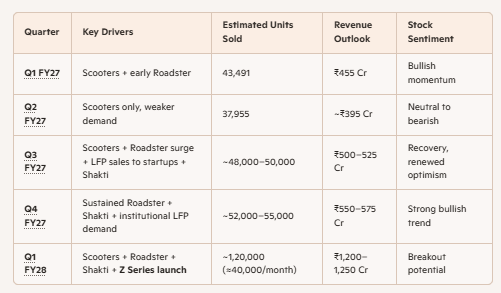
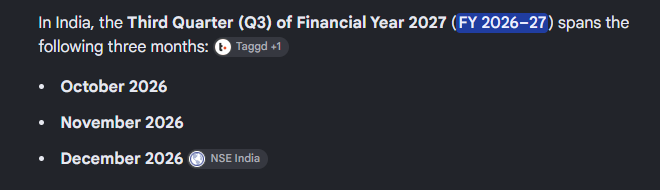
A Bullish scenario – Ola Electric could see sales rise… Oct-Nov-Dec 2026 (Q3 FY 2027).
Bullish Scenario
In a bullish case, Ola leverages policy support, operational efficiency, and consumer adoption to stabilize margins. Net losses could be limited to ~₹350 crore.
By October 2026, new dealerships would have now settled down to its operating routine and uploading data to Vahan… and push daily sales toward 600 units (~18,000 per month), marking maturity.
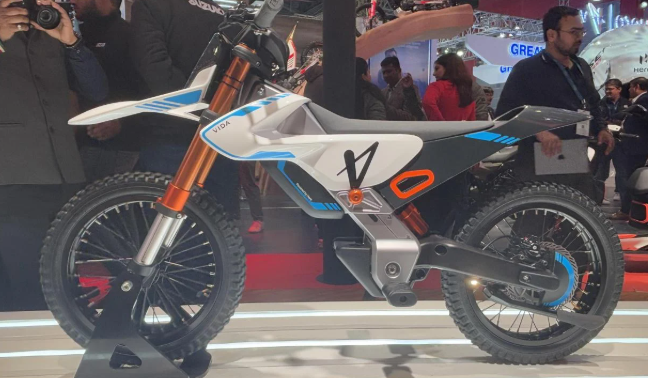
The Z-Series scooter, priced at ₹70,000, is expected to launch with delays, likely in April 2027… Once available, Z-Series sales could push Ola’s monthly volumes beyond 40,000 units…
Q3 Sales (Oct-Nov-Dec 2026) could see higher scooter sales due to the following:
- Seasonal higher demand
- Roadster sales,
- LFP cell sales to startups,
- Shakti and MahaShakti sales
… driving Q3 revenue above Q1 levels.
Average Case Scenario
In the Average case, Q2 revenue falls to ~₹395 crore, net losses widen to ~₹370 crore, and market share slips to ~7.5%.
PLI inflows cushion losses, but operating leverage remains weak. Investors await clarity on Roadster, Shakti, and battery sales, as well as cash flow improvements.
Ola should adopt Transparency in product-wise sales reporting to help investor confidence.
Bearish Scenario
A bearish outlook envisions intensified competition from Ather, Greaves, and River Indie. Battery sales may fail to scale, and Shakti orders may not materialize.
If oil prices fall below $60 per barrel and the rupee strengthens, petrol scooters could regain cost advantage.
In this case, revenue declines more sharply, losses exceed ₹400 crore, and investor confidence weakens. Ola’s reliance on subsidies becomes a liability, underscoring the need for structural profitability.
Outlook for FY28
Q1 FY28 (Apr-May–Jun 2027) will be critical.
With Z-Series deliveries, Ola could achieve 40,000 units per month, pushing quarterly revenue past ₹1,200 crore.
By June 2027, Ola may complete its two-wheeler lineup, including Gig scooter.
Year 2027 could mark Ola’s transition to profitability, as predicted by Bhavish Aggarwal.
The alignment of its four verticals:
- Mobility,
- Cell Technologies,
- Shakti and
- Container BESS
… would create an integrated energy ecosystem, enabling scale, efficiency, and customer service excellence.
Although the next 6 months could be a long wait… Q3 Results could be the Trailer of what Ola has in store for… in Year 2027.

