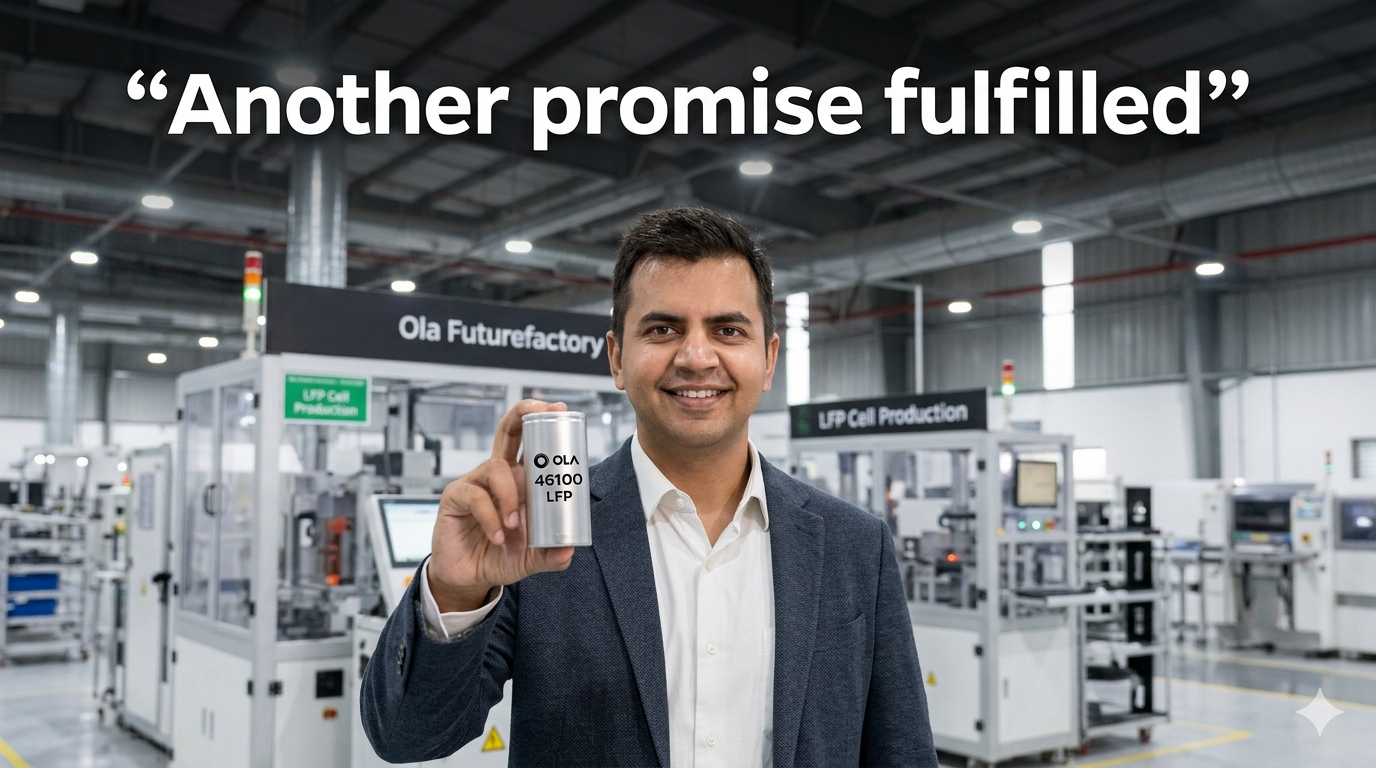
A little late but on steady course… the Ola Ship keeps sailing
The history of the Indian electric vehicle (EV) industry is often traced back to the pioneering efforts of Chetan Maini and the Reva. Long before the current EV surge, the Reva used LFP (Lithium Iron Phosphate) technology, recognizing its inherent stability and suitability for the Indian climate.
India’s electric two-wheeler market is buzzing, but Ola has a unique opportunity to capture segments that remain underserved. While premium scooters have gained traction, the real growth lies in affordability, accessibility, and visibility. Here’s how Ola can accelerate its sales momentum:
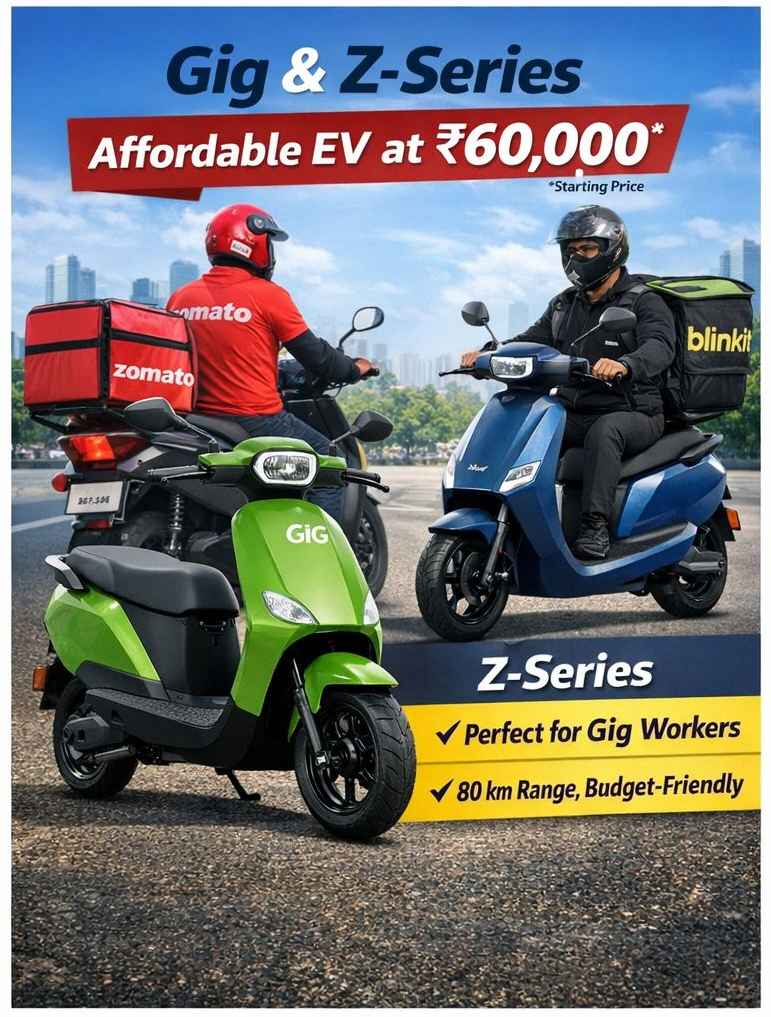
1️⃣ Gig & Z-Series: Powering the Gig Economy
The gig workforce—delivery partners for Zomato, Swiggy, Zepto, and Blinkit—needs low-cost, practical scooters especially those which dont need a licence to ride or a registration (number plate). Competitors like Yulu have already proven that sub-₹40,000 slow-speed EVs are a hit.
Why it matters: These scooters don’t require a license or registration, making them perfect for quick adoption.
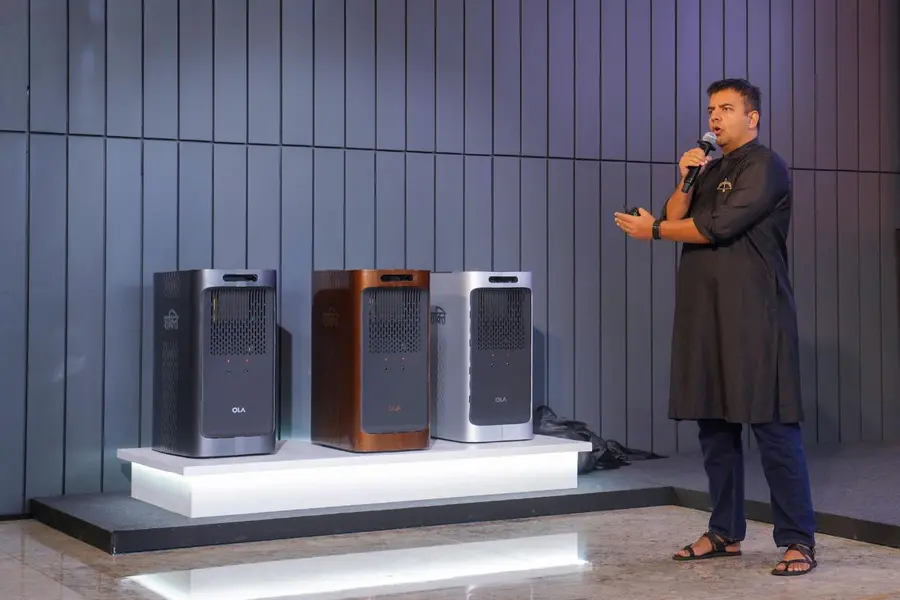
India’s energy landscape is undergoing a seismic shift. As electric mobility gains traction, the next frontier is energy storage — and Ola Electric is stepping up with a bold new offering: Ola Shakti, a residential Battery Energy Storage System (BESS) designed to bring clean, reliable power to homes, farms, defence and small businesses.
This video is proof enough to show why Ola is miles ahead of all of their competitors put together… Ola Electric sales reflect that.
The next 10 years of Ola Electric is going to put India on the world stage. Ola Electric will be the Apple Computer of India. The biggest game changer will be…