
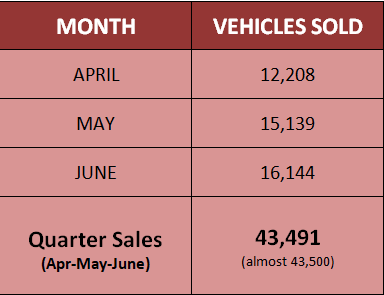
The Indian two-wheeler market is undergoing a profound transformation, reflected in Ola Electric’s robust sales figures. In April 2026, Ola sold 12,208 units, followed by 15,139 units in May, and 16,144 units in June, culminating in a quarterly total of 43,491 units. This steady month-on-month (MoM) growth underscores the accelerating adoption of electric mobility in India.
Rising EV Adoption
- Ola Electric sales demonstrate consumer confidence in electric vehicles, driven by lower running costs, government incentives, and expanding charging infrastructure.
- The consistent upward trajectory signals that EVs are no longer niche products but mainstream alternatives, especially in urban centers where fuel efficiency and sustainability are prioritized.
- Ola’s strategy of diversifying into e-autorickshaws and small electric cars further strengthens its ecosystem, offering integrated solutions for both personal and shared mobility.
Decline of Petrol Two-Wheelers
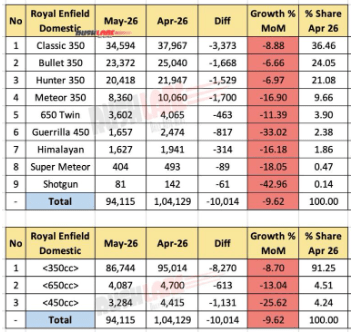
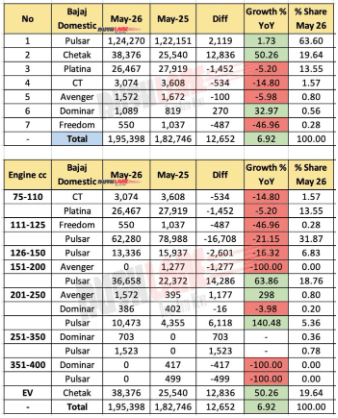
In stark contrast, Bajaj Auto and Royal Enfield are witnessing MoM declines in petrol two-wheeler sales. A key factor is the growing public apprehension about ethanol-blended fuel. Concerns that ethanol may corrode vehicle components have created hesitation among buyers, dampening demand for traditional internal combustion engine (ICE) motorcycles.
Consumer Psychology and Market Shift
- Fear of long-term damage from ethanol fuels is reshaping consumer preferences, nudging them toward EVs perceived as safer and future-proof.
- Rising fuel prices and environmental awareness amplify this shift, making EVs not just an economic choice but also a socially responsible one.
- The narrative of “clean, modern, and cost-effective” mobility resonates strongly with younger buyers, accelerating the decline of legacy petrol models.
Conclusion
The April–June 2026 quarter marks a turning point in India’s two-wheeler industry. Ola Electric’s 43,491-unit performance highlights the momentum of EV adoption.
While Bajaj Auto and Royal Enfield’s struggles reflect the vulnerabilities of petrol-based mobility in an era of fuel transition.
The fear of ethanol corrosion has become a catalyst, pushing consumers toward electric alternatives and reshaping the competitive landscape.
India’s mobility future is tilting decisively toward electrification, with Ola Electric positioned at the forefront of this transformation.

